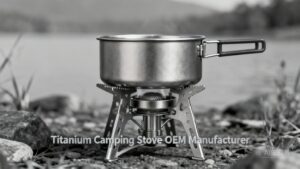
Titanyum Tencere OEM'i: Kendi Ürün Grubunuzu Nasıl Geliştirirsiniz?
Başarılı bir çizgi geliştirmek titanyum tencere stratejik bir OEM yaklaşımı, üretim süreçlerinin derinlemesine anlaşılması ve titiz tedarikçi seçimi gerektirir. Bu kılavuz, dış mekan malzemeleri ve pişirme gereçleri markalarına, malzeme biliminden pazara sunulmasına kadar her önemli kararda yol göstermektedir.

Developing a successful line of titanium cookware requires a strategic approach, deep understanding of manufacturing processes, and meticulous supplier selection. This guide provides product managers, purchasing directors, and brand founders in the outdoor gear and cookware industries with a comprehensive framework for navigating the complexities of titanium cookware OEM. From material science to market launch, we’ll equip you with the knowledge to create a high-quality, competitive product line.
Executive Summary: Mastering Titanium Cookware OEM
The demand for lightweight, durable, and corrosion-resistant cookware, particularly in the outdoor and high-performance kitchen segments, continues to surge. Titanium cookware OEM markalara, özel üretim tesislerine yatırım yapmadan bu trendden yararlanmak için eşsiz bir fırsat sunuyor. Bu makalede malzeme seçimi, üretim süreci öngörüleri, maliyet analizi ve sağlam bir tedarikçi değerlendirme çerçevesi içeren adım adım bir metodoloji özetlenmektedir. Amacımız, ürün kalitesini, maliyet verimliliğini ve pazarda farklılaşmayı sağlayarak, kendi özel titanyum tencere setinizi başarılı bir şekilde piyasaya sürmenize yardımcı olmaktır.
Malzeme Bilimine Genel Bakış: Titanyum Sınıflarını Anlamak
Titanyum, olağanüstü güç-ağırlık oranı, korozyon direnci ve biyouyumluluğuyla takdir ediliyor ve bu da onu birinci sınıf pişirme kapları için ideal bir malzeme haline getiriyor. Ancak tüm titanyum eşit yaratılmamıştır. Farklı kaliteleri anlamak, ürününüz için doğru malzemeyi seçmek açısından çok önemlidir.
Tencere Setleri için Titanyum Sınıfları
- Sınıf 1 (CP1 – Ticari Olarak Saf Titanyum): Bu, ticari olarak saf titanyum kaliteleri arasında en yumuşak ve en esnek olanıdır ve mükemmel şekillendirilebilirlik sunar. Genellikle kapsamlı derin çekme veya bükme gerektiren uygulamalarda kullanılır.
- Derece 2 (CP2 – Ticari Olarak Saf Titanyum): Grade 1'den biraz daha güçlü olan Grade 2, tencere seti de dahil olmak üzere çeşitli endüstrilerde ticari olarak en yaygın kullanılan saf titanyumdur. Sağlamlık, süneklik ve kaynaklanabilirlik arasında iyi bir denge sunarak çoğu titanyum tencere OEM uygulaması için uygun hale getirir.
- Derece 5 (Ti-6Al-4V – Alfa-Beta Alaşımı): "Havacılık titanyumu" olarak bilinen Grade 5, %6 alüminyum ve %4 vanadyum içeren bir alaşımdır. CP titanyumdan önemli ölçüde daha yüksek mukavemete sahiptir ancak daha az sünektir ve şekillendirilmesi daha zordur. Gücü çekici olsa da, yüksek maliyeti ve üretim zorluğu onu genel pişirme kapları için daha az pratik hale getiriyor, ancak özel, ultra yüksek performanslı bileşenler için düşünülebilir.
Çoğu için titanyum tencere OEM projects, Grade 2 titanium strikes the optimal balance between performance, manufacturability, and cost.
Manufacturing Process Deep Dive
The production of titanium cookware involves specialized techniques due to titanium’s unique properties. Key processes include deep drawing and welding.

Derin Çekme
Derin çekme, sacdan içi boş parçalar oluşturmak için kullanılan bir metal şekillendirme işlemidir. Titanyum için bu işlem, yırtılmayı önlemek ve eşit duvar kalınlığını sağlamak için sıcaklık, yağlama ve çekme hızı gibi parametrelerin dikkatli bir şekilde kontrol edilmesini gerektirir. Titanyumun paslanmaz çeliğe kıyasla daha düşük sünekliği, derin çekmenin genellikle gerilimi azaltmak ve sünekliği yeniden sağlamak için ara tavlama adımlarıyla birden fazla aşama gerektirdiği anlamına gelir. Bu çok aşamalı süreç, genel üretim karmaşıklığına ve maliyetine katkıda bulunur.
Kaynak Teknikleri
Welding titanium demands a highly controlled environment to prevent contamination from atmospheric gases (oxygen, nitrogen, hydrogen), which can embrittle the weld. Tungsten Inert Gas (TIG) welding is the most common method for titanium cookware due to its precision and ability to produce high-quality, clean welds. Manufacturers must use inert shielding gases like argon on both the front and back side of the weld (purge gas) to protect the molten metal from contamination. Proper weld joint design and post-weld cleaning are also critical for maintaining the material’s integrity and aesthetic appeal.
Cost & MOQ Analysis
Understanding the cost drivers and minimum order quantities (MOQ) is essential for effective titanium cookware OEM project planning.
Minimum Sipariş Miktarı (MOQ) Mantığı
For custom titanyum tencereTipik bir MOQ, ürün başına 300 ila 500 birim arasında değişir. Bu görünüşte yüksek MOQ birkaç faktörden kaynaklanmaktadır:
- Takım Maliyetleri: Derin çekme kalıplarının ve özel kaynak mastarlarının üretimi pahalıdır. Bu maliyetleri daha büyük bir üretim sürecine yaymak, birim başına maliyeti daha kabul edilebilir hale getirir.
- Malzeme Kaynağı: Titanyum sac genellikle fabrikalardan minimum satın alma miktarlarına sahiptir.
- Kurulum Süresi: Her üretim çalışması, makineler, programlama ve kalite kontrol kontrolleri için önemli bir kurulum süresi gerektirir. Daha yüksek bir hacim, bu sabit maliyetleri daha etkili bir şekilde amorti eder.
- Fabrika Verimliliği: Üreticiler, üretim programlarını optimize etmek ve daha iyi ölçek ekonomisi elde etmek için daha büyük tirajları tercih ediyor.
Negotiating MOQs may be possible, especially for long-term partnerships or if your product can share tooling with existing designs, but expect initial runs to adhere to these benchmarks.
Cost Breakdown Components
A comprehensive cost analysis for titanium cookware OEM should include:
- Hammadde Maliyeti: This is primarily driven by the selected titanium grade (Grade 1, 2, or 5) and market fluctuations.
- Tooling/Moulding Costs: Non-recurring engineering (NRE) costs for custom dies, jigs, and fixtures. These are typically paid upfront or amortized over the first few orders.
- İmalat İşçiliği: Costs associated with deep drawing, welding, polishing, surface treatments (e.g., anodizing), and assembly.
- Surface Treatment/Finishing: Options like sandblasting, electropolishing, or specialized coatings add to the cost.
- Kalite Kontrolü: Costs for in-process and final inspection.
- Ambalajlama: Custom packaging design, materials, and assembly.
- Lojistik: Shipping, customs, and freight.
- Overheads & Profit Margin: The factory’s operational costs and profit.

Supplier Selection Framework
Choosing the right manufacturing partner is paramount to the success of your titanium cookware OEM project. A rigorous evaluation process is non-negotiable.
Factory Evaluation Checklist
- Experience with Titanium: Does the factory have a proven track record specifically with titanium deep drawing and welding? Ask for case studies and references.
- Quality Certifications: Look for ISO 9001, and ideally, certifications relevant to metal fabrication or cookware safety (e.g., FDA compliance for food contact materials).
- Equipment & Technology: Assess their machinery for deep drawing presses, TIG welding stations, and quality inspection tools (e.g., CMM, material analyzers).
- Engineering Capabilities: Can they assist with DFM (Design for Manufacturability) to optimize your design for production efficiency and cost?
- Communication & Project Management: Evaluate their responsiveness, English proficiency, and dedicated project management team.
- Financial Stability: Ensure the factory is financially sound to avoid disruptions.
- Ethical Practices: Verify their commitment to labor laws and environmental regulations.
OEM Customization Workflow
A clear workflow ensures a smooth development process:
- Initial Concept & Design Brief: Provide detailed specifications, 3D models, and desired features.
- DFM & Prototyping: The factory provides DFM feedback, creates engineering drawings, and produces initial prototypes for approval. This stage often involves several iterations.
- Tooling Development: Once prototypes are approved, tooling fabrication begins.
- Pre-Production Sample (PPS): A small batch of production-intent samples is made for final approval before mass production.
- Seri üretim: Full-scale manufacturing commences.
- Quality Control & Inspection: In-line and final inspections are conducted.
- Packaging & Shipping: Products are packed according to specifications and shipped.
Risk Control & Mitigation
Mitigating risks is crucial in any titanium cookware OEM venture.
Common Challenges and Solutions
- Material Defects: Implement stringent raw material inspection protocols and require material certifications from suppliers.
- Manufacturing Flaws: Establish clear quality control checkpoints throughout the production process, including visual inspection, dimensional checks, and leak tests for welded components.
- Communication Gaps: Designate a primary point of contact, use clear communication channels (e.g., project management software), and conduct regular progress meetings. Consider factory visits at critical stages.
- Intellectual Property (IP) Theft: Sign comprehensive Non-Disclosure Agreements (NDAs) and manufacturing agreements with your chosen OEM partner. Register your designs and trademarks where appropriate.
- Lead Time Delays: Build buffer time into your project schedule. Have contingency plans for alternative shipping methods or backup suppliers if feasible.
Practical Roadmap for Launching Your Titanium Cookware Line
- Market Research & Product Definition: Identify your target audience, unique selling propositions (USPs), and desired product features.
- Design & Engineering: Develop detailed 3D CAD models and technical drawings. Consider titanium’s specific properties in your design.
- Supplier Sourcing & Evaluation: Use the checklist provided to identify and vet potential OEM partners. Request quotes and samples.
- Contract Negotiation & Prototyping: Finalize terms, sign agreements, and move into the prototyping phase.
- Quality Assurance & Testing: Rigorously test prototypes for performance, durability, and safety.
- Mass Production & Logistics: Oversee initial production runs, manage quality control, and arrange for shipping.
- Marketing & Launch: Develop your marketing strategy and prepare for product launch.

By meticulously following this guide, outdoor brands and cookware companies can confidently navigate the complexities of titanium cookware OEM, transforming innovative concepts into successful, high-quality product lines that resonate with discerning consumers.
{ "@context": "https://schema.org", "@type": "Article", "mainEntityOfPage": { "@type": "WebPage", "@id": "https://7titanium.com/blog/titanium-cookware-oem-how-to-develop-your-own-product-line/" }, "headline": "Titanium Cookware OEM: How to Develop Your Own Product Line", "description": "A complete OEM sourcing guide for outdoor and cookware brands developing their own titanium cookware line, covering titanium grades, deep drawing and welding, MOQ logic, cost structure, supplier selection, risk control, and launch roadmap.", "author": { "@type": "Organization", "name": "7Titanium Editorial Team" }, "publisher": { "@type": "Organization", "name": "7Titanium", "logo": { "@type": "ImageObject", "url": "https://7titanium.com/wp-content/uploads/2025/01/7titanium-logo-rectangle.png" } }, "datePublished": "2025-02-23", "dateModified": "2025-02-23", "articleSection": "Titanium Cookware OEM", "keywords": [ "titanium cookware OEM", "titanium cookware manufacturer", "titanium deep drawing", "titanium welding", "OEM cookware sourcing", "titanium cookware supplier" ], "image": [ "https://7titanium.com/wp-content/uploads/2025/11/titanium-titanium-cookware-oem-how-to-develop-your-own-product-line-img1.jpg", "https://7titanium.com/wp-content/uploads/2025/11/titanium-titanium-cookware-oem-how-to-develop-your-own-product-line-img2.jpg", "https://7titanium.com/wp-content/uploads/2025/11/titanium-titanium-cookware-oem-how-to-develop-your-own-product-line-img3.jpg", "https://7titanium.com/wp-content/uploads/2025/11/titanium-titanium-cookware-oem-how-to-develop-your-own-product-line-img4.jpg" ] }