
The Ultimate Guide to Titanium Eating Utensils: Benefits, Drawbacks, and Buying Advice
By Expert B2B Content Strategist · September 26, 2025
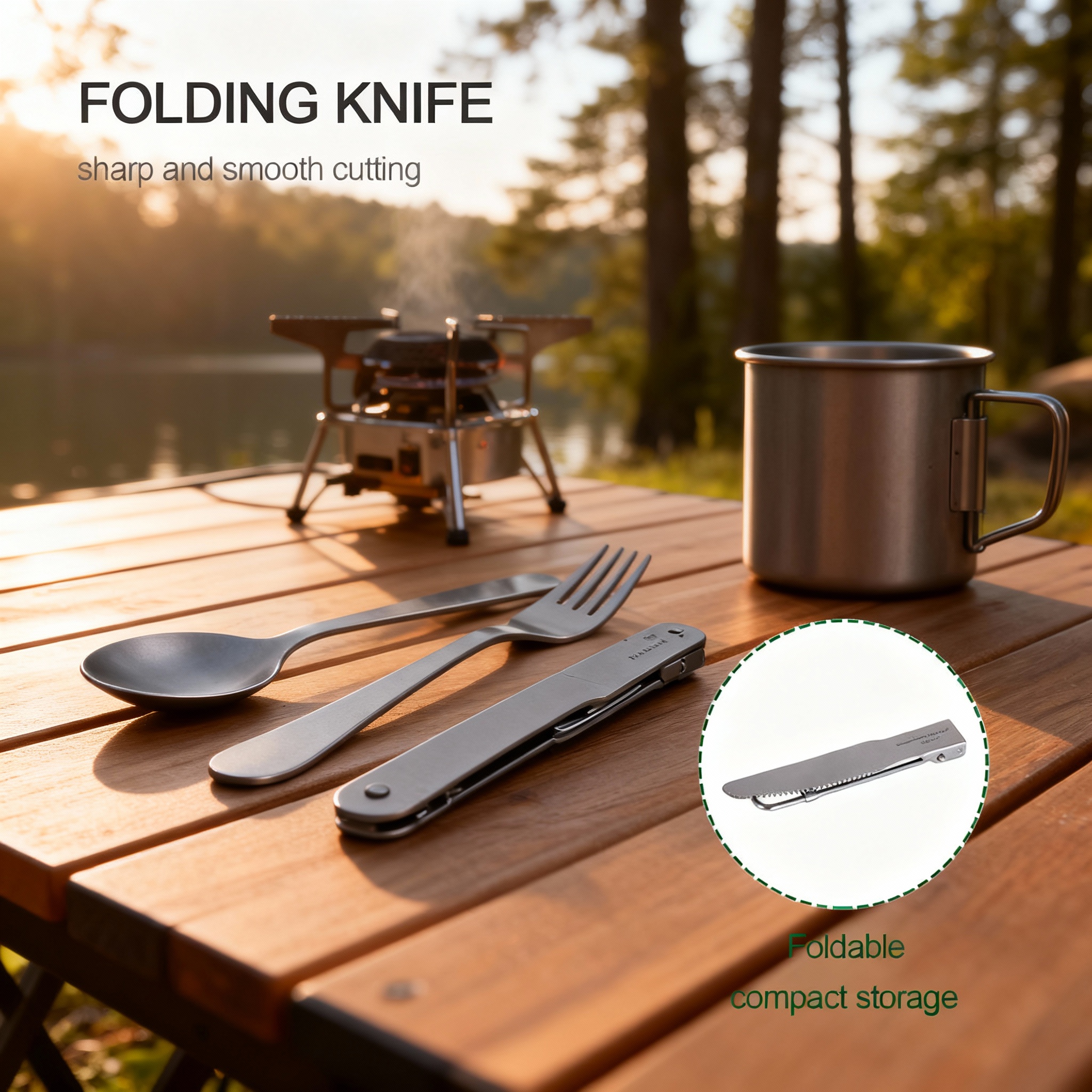
Introduction to Titanium Cutlery: Why the Buzz?
In an era where sustainability, durability, and health are paramount, titanium—trusted in aerospace and medical implants—has moved onto dinner tables, into camping packs, and into daily lunch kits. The appeal spans minimalists, commuters, allergy-sensitive users, and modern home kitchens.Unpacking the Advantages: Why Choose Titanium Utensils?
Titanium solves real flatware pain points with an unmatched blend of performance, safety, and longevity.
Featherlight Design
Exceptional strength-to-weight ratio: a robust set that barely adds pack weight—ideal for backpacking and travel.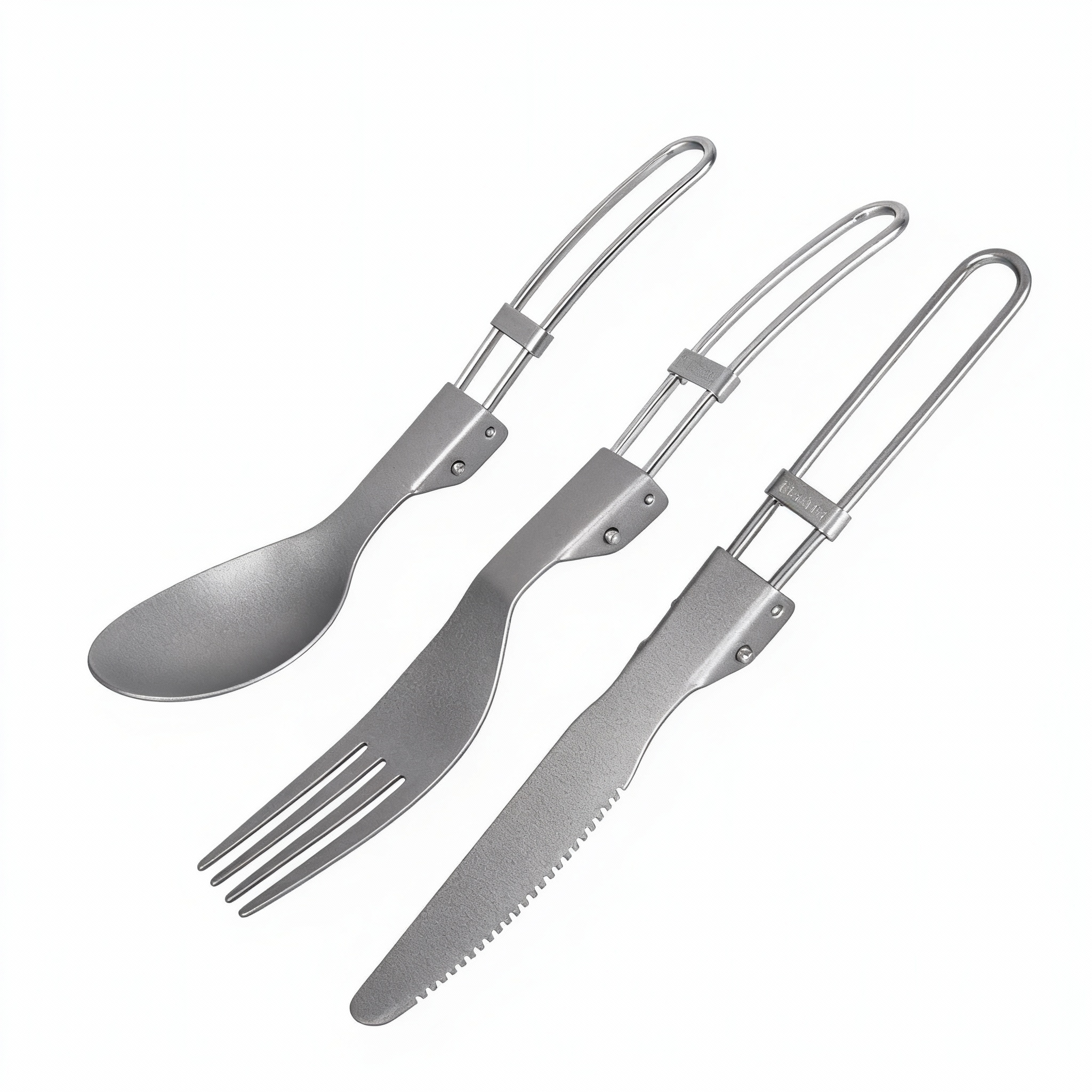
Exceptional Durability & Strength
Resists bending, denting, and daily abuse; fewer replacements and better lifecycle ROI.Superior Corrosion & Rust Resistance
A stable oxide layer protects the surface—even in acidic or saline environments.Biocompatible, Non-Toxic, Hypoallergenic
Inert and non-leaching—excellent for users with nickel sensitivities common to some steels.No Metallic Taste
Non-reactive surface preserves pure food flavors, even with acidic foods.The Other Side: Drawbacks and Considerations
- Higher upfront cost — offset by longevity and lower replacement rate.
- May scratch softer surfaces — take care with non-stick coatings and delicate ceramics.
- Knife edge retention — fine for simple tasks; high-carbon steel is superior for precision blades.
- Very light hand-feel — some prefer the heavier heft of stainless steel.
Titanium vs. The Alternatives
A quick matrix to position titanium against common choices.
| Buyer Priority | Pure Titanium | Stainless Steel | Plastic |
|---|---|---|---|
| Weight | Lightest | Medium | Light |
| Durability | Very high | High | Low |
| Corrosion Resistance | Excellent | Good | N/A |
| Food Safety | Inert | Safe | Potential leaching |
| Sustainability | Reusable / Recyclable | Reusable | Single-use waste |
| Upfront Cost | High | Low | Lowest |
Choosing the Best Titanium Utensils: A Buyer’s Guide
- Weight & portability — ultralight for backpacking; slightly heavier is fine for home.
- Ergonomics — handle length/curve; long-handled spoons for dehydrated pouches.
- Finish — matte / brushed / bead-blasted / anodic color.
- Pieces vs. sets — fill gaps or coordinate full kits for brand presentation.
- Further reading — Titanium chopsticks guide.
Care & Maintenance
General Cleaning
Warm water + mild detergent with a soft sponge/brush. Avoid steel wool to prevent finish scratches.Dishwasher Safe
Most solid titanium cutlery is dishwasher safe—always check brand guidelines.Finish Care
Avoid prolonged exposure to extreme acids; store to prevent mutual scratching; soft-cloth polish restores luster.Ideal Applications & Use Cases
- Outdoor: camping/hiking/trekking where grams matter.
- Travel / commute: personal, hygienic, reusable kit; reduce single-use plastic.
- Home: modern aesthetic with decade-long durability.
- Allergy-sensitive users: nickel-free, inert, and comfortable for daily use.
People Also Ask (FAQ)
Is titanium cutlery safe to use?
Yes. Titanium is biocompatible, non-toxic, and non-reactive.
Why is titanium cutlery expensive?
Raw material and precision manufacturing costs are higher, but longevity reduces lifetime cost.
Can titanium scratch plates?
Like stainless steel, it can scratch softer ceramic glazes or non-stick coatings. Use wood/silicone with coated cookware.
Is it dishwasher safe?
Most solid titanium utensils are; verify brand instructions.
Conclusion: Is Titanium Cutlery Right for You?
Titanium offers unmatched lightweight durability, corrosion resistance, biocompatibility, and sustainability. Cost aside, it’s a future-proof upgrade for outdoor, travel, and modern home use alike.Key Takeaways
- Light yet strong — superior strength-to-weight; easier shipping and carry.
- Health & safety — inert, low-allergen, no metallic taste.
- Corrosion & temperature resistance — dependable across environments.
- Sustainability — reusable/recyclable; reduces single-use waste.
- Higher upfront price — offset by lifespan and user experience.