
Ошибка поставщика титана: 6-месячные тревожные сигналы и как построить устойчивую цепочку поставок (полное руководство)
Первые шесть месяцев отношений с поставщиком титана часто определяют все — качество продукции, соответствие требованиям, стабильность поставок и, в конечном итоге, непрерывность вашего бизнеса. В аэрокосмической, медицинской, наружной, промышленной и OEM-секторах многие отделы закупок сталкиваются с одной и той же болезненной ситуацией: поставщики выглядят идеально в первый день… но терпят крах через четвертый, пятый или шестой месяц.
В этом руководстве рассказывается, почему поставщики титана терпят неудачу на ранней стадии, тревожные сигналы, которые нужно быстро уловить, как проверять поставщиков без каких-либо догадок, как должен работать контроль качества, а также точные стратегии построения устойчивой, диверсифицированной цепочки поставок титана.
Первые 6 месяцев: почему поставщики титана терпят неудачу (и почему это происходит внезапно)
В сфере закупок металлов B2B титан представляет собой высокоточный, требующий сертификации и капиталоемкий материал. Многие новые поставщики кажутся стабильными на начальном этапе адаптации, потому что они полагаются на:
- Существующий инвентарь
- Приоритетное распределение для новых клиентов
- Заимствованные мощности у партнерских мастерских
- Временные вливания денежных средств
Но к четвертому-шестому месяцу «реальная работоспособность» начинает проявляться. Именно тогда команды по закупкам наконец узнают, является ли поставщик масштабируемым или хрупким.
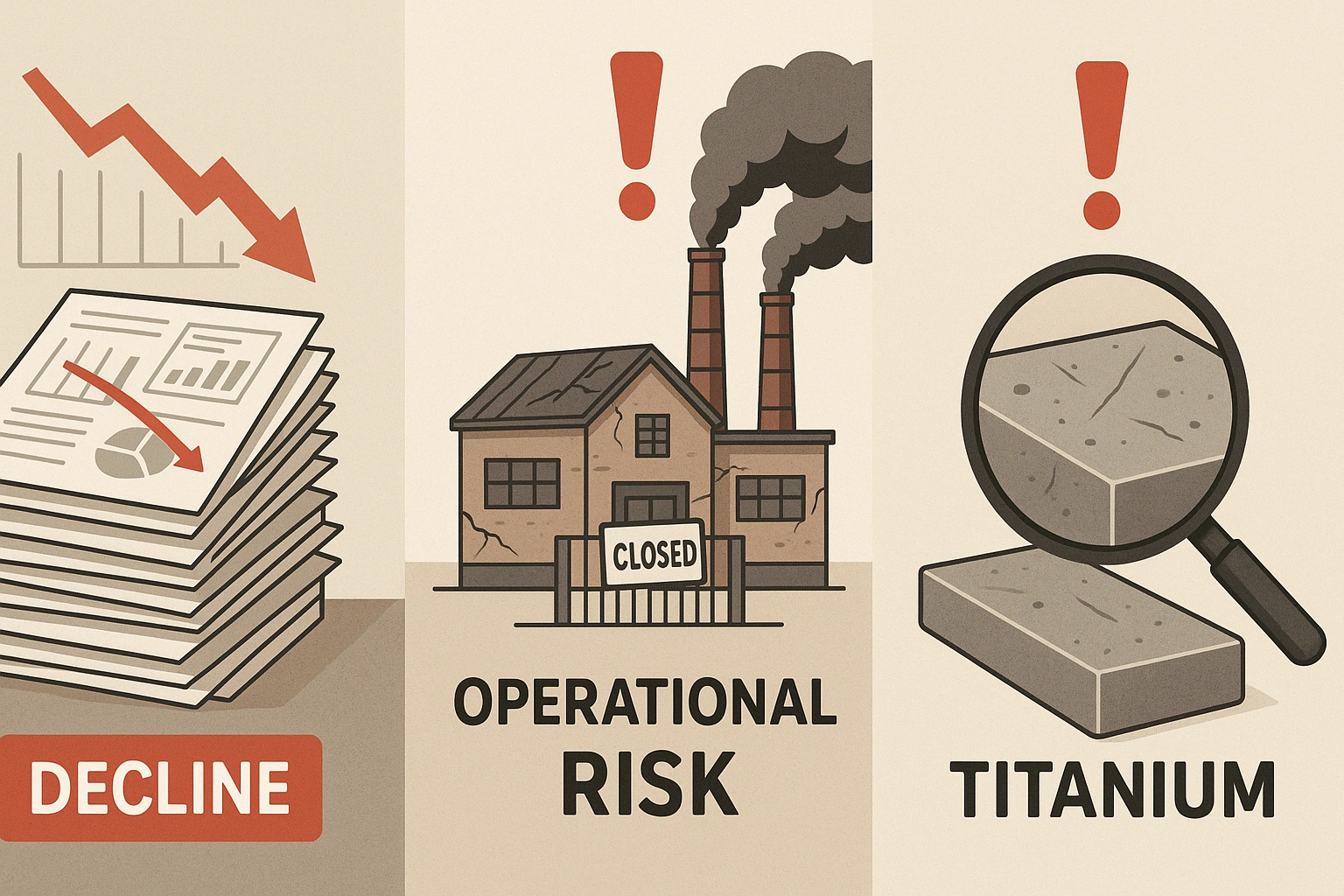
Типичные причины неудач поставщиков титана в первые 6 месяцев
- Структура денежного потока после нескольких крупных закупок сырья
- Слабая система контроля качества становится видимым только тогда, когда начинаются повторные заказы
- Выход партнера по производству или ненадежность субподрядчика
- Несоответствие сертификации обнаружены в ходе аудитов (AS9100, ISO13485, LFGB, FDA)
- Геополитические риски влияние на поставку губчатого титана, заготовок или пластин
- Заниженные ранние котировки это невозможно выдержать
Надежный поставщик титана должен пережить этот 6-месячный порог без внезапных оправданий, задержек поставок, колебаний качества или нестабильности цен.
15 первых тревожных сигналов, которые предсказывают неудачу поставщика
Based on 7Titanium’s real-world experience auditing upstream titanium mills, forging plants, machining workshops, and medical-grade finishing partners, these red flags are the strongest predictors of collapse:
Operational Red Flags
- They cannot clearly explain their manufacturing workflow.
- They cannot trace raw material batches back to melting furnace numbers.
- They rely heavily on subcontractors but deny it.
- They refuse to share MTRs (Material Test Reports) before payment.
Красный флаг качества
- Inconsistent surface finish between samples and mass production.
- Large mechanical property deviation inside the same batch.
- Missing UT (Ultrasonic Testing) results for thick titanium plates or rods.
- Repeated excuses blaming packaging, logistics, or “daughter factories.”
Financial Red Flags
- Чрезмерно агрессивное снижение цен («неустойчивое ценообразование»).
- Задержка возврата средств или возмещение стоимости образцов.
- Требование полной оплаты намного раньше, чем это предусмотрено отраслевыми нормами.
- Внезапная смена банковского счета.
Красные флаги связи
- Текучесть команды в течение 3–4 месяцев.
- Медленная реакция в периоды пиковой производительности.
- Противоречивые объяснения задержек.
Если вы обнаружите 5 или более таких тревожных сигналов, ваш поставщик почти наверняка нестабильен.
Как профессионально проверить поставщика титана (система без догадок)
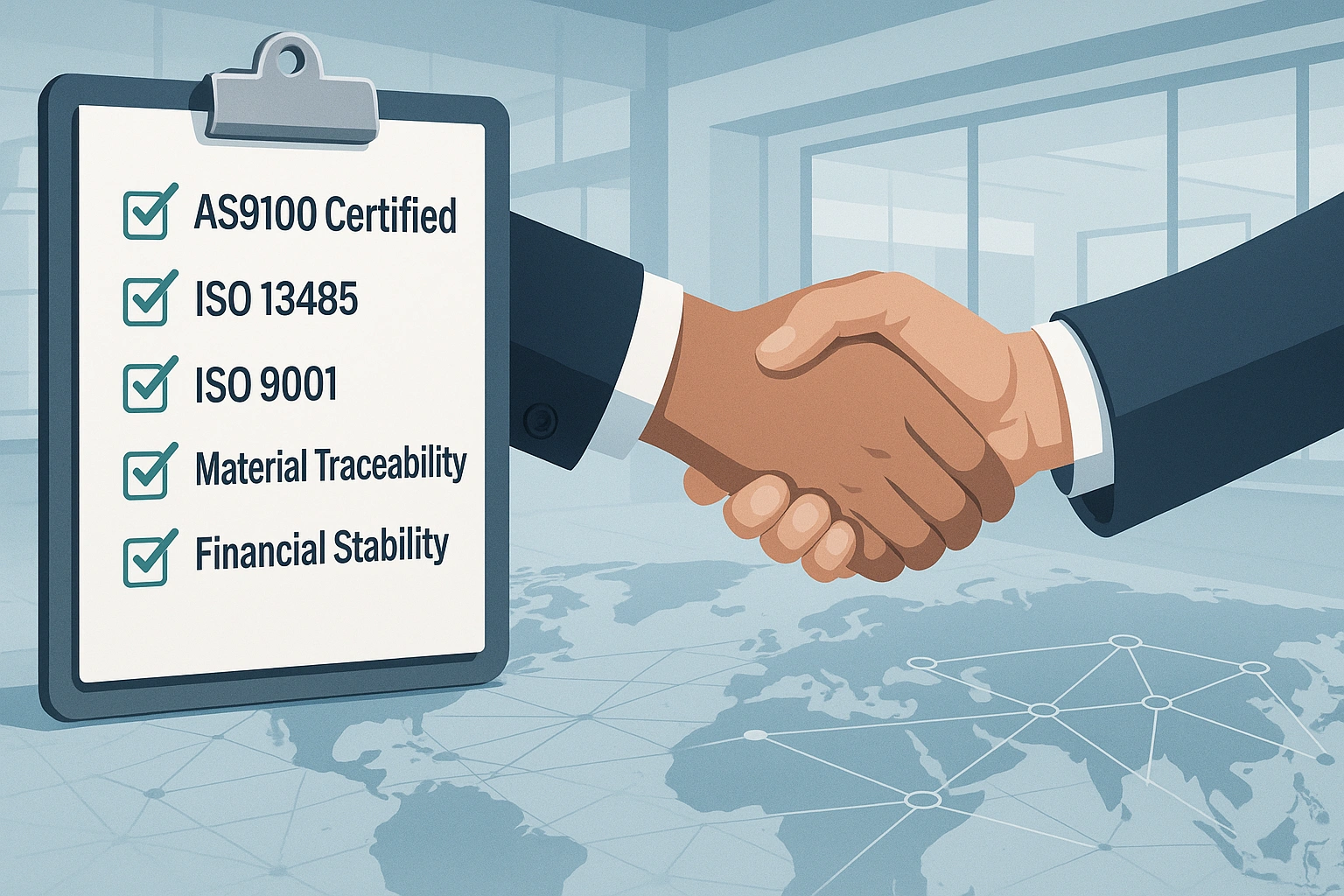
Самые надежные команды по закупкам используют структурированную структуру проверки, охватывающую сертификацию, отслеживаемость, системы контроля качества, финансовую стабильность и производственные мощности.
1. Проверьте уровни сертификации
- АС9100 — aerospace manufacturing
- ИСО 13485 — medical implants and surgical components
- ISO 9001 — baseline QC system
- ЛФГБ / FDA — food-contact titanium products
- ASTM B265, B348, F67, F136 — material compliance
2. Demand Full Traceability
- Melting furnace number
- Chemical composition report
- Mechanical test report
- Heat treatment batch
- Surface finishing process
3. Conduct Product-Specific Stress Tests
- Ultrasonic Testing (UT)
- Microscopic structural inspection
- Surface defect scanning
- Hardness & tensile tests
4. Run Financial Stability Checks
- Credit scores
- Year-on-year revenue trend
- Debt-to-equity ratio
- Supplier payment history
Uncompromising Titanium Quality Control (QC) Requirements
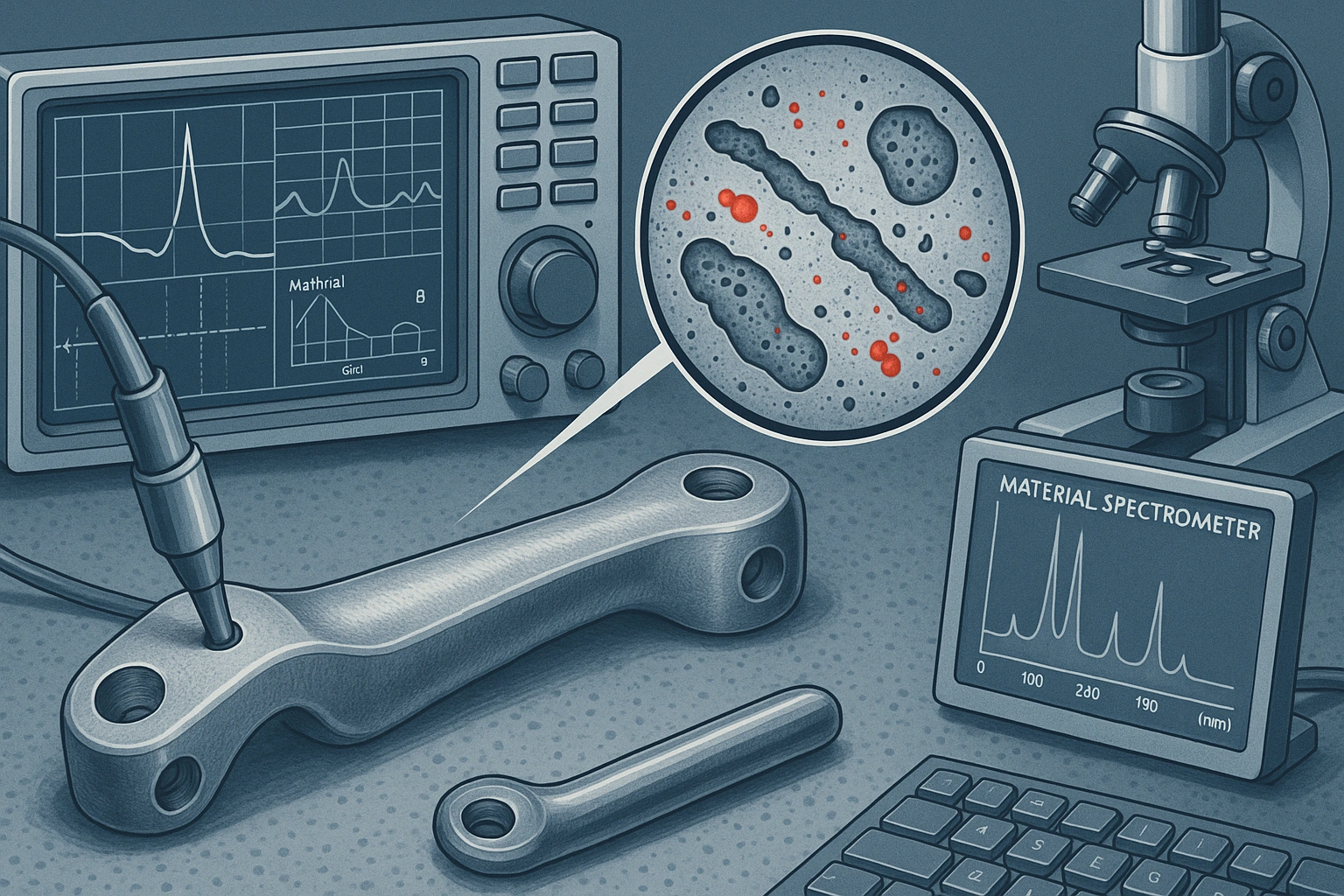
Titanium quality issues often appear only after machining, welding, or finishing—meaning poor QC from the supplier can destroy an entire project.
Common Titanium Defects You Must Detect Early
- Internal voids (porosity)
- Surface impurities or inclusions
- Hydrogen embrittlement
- Unstable grain structure
- Density anomalies
7Titanium’s QC System (Example Reference for B2B Buyers)
- Double-stage UT testing for rods and billets
- MTR verification per furnace batch
- Random tensile & hardness testing
- Surface roughness measurement
- Batch-to-batch photographic traceability
- Strict packaging—EVA foam, sealed bags, desiccants
- Inbound inspection from upstream mills
How to Build a Resilient Titanium Supply Chain
1. Never Single-Source Titanium
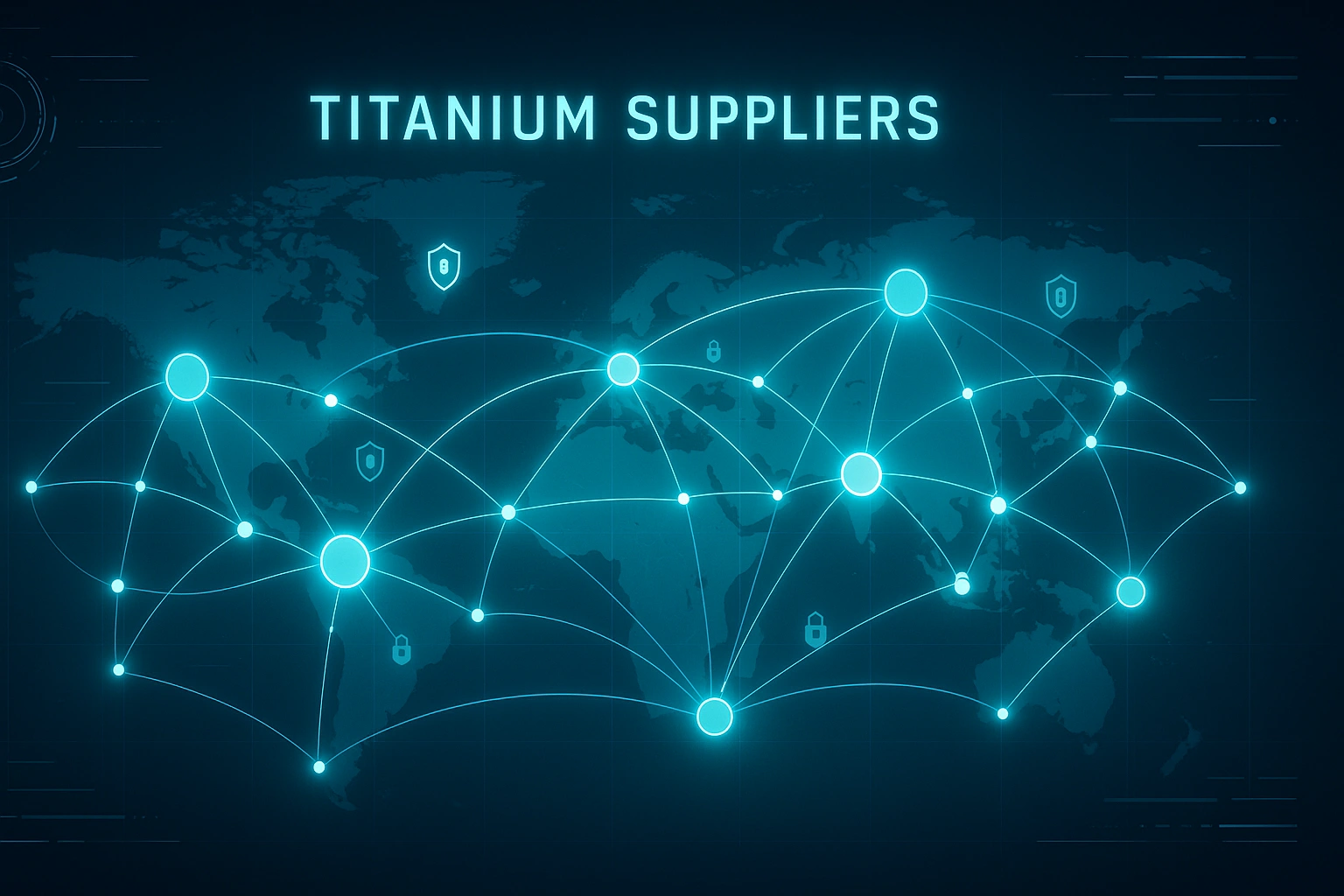
Because titanium relies heavily on sponge titanium availability, plate-rolling mills, forging shops, machining capacity, and certification-based finishing, one supplier cannot cover the entire chain.
2. Pre-qualify Backup Suppliers
At least two alternative sources for billets, plates, and rods should be validated in advance.
3. Maintain a 45–60 Day Safety Stock
Aerospace and medical buyers typically use 1.5–2 cycles of inventory as risk protection.
4. Conduct Quarterly Supplier Audits
Certifications expire. Machinery changes. Leadership changes. Audit helps catch risks early.
5. Build Long-term Replenishment Plans
Predictive ordering helps suppliers stabilize operations and ensures priority allocation.
Need a Reliable Titanium OEM / Industrial Supplier?
7Titanium works with aerospace, medical, outdoor, and industrial brands worldwide. We provide full MTR traceability, stable QC, and resilient multi-source supply planning.
Contact 7Titanium →FAQ — Titanium Supplier Failure & Supply Chain Stability
Why do titanium suppliers often fail within the first 6 months?
The first six months reveal whether a supplier truly has stable operations, real machining capacity, and sustainable cash flow. Many suppliers rely on existing stock or short-term outsourcing during the first orders. When real production starts, issues like operational inefficiency, weak quality control, or financial gaps quickly surface—leading to delays, defects, or sudden collapse.
How can I identify a financially unstable titanium supplier?
Warning signs include: continuous losses, declining revenue, poor credit scores, delayed payments to their own upstream factories, sudden price drops, or unexpected changes in bank accounts. These often indicate fragile liquidity and high risk of abrupt failure.
What certifications are essential for titanium suppliers?
For aerospace: АС9100 is mandatory. For medical implants: ИСО 13485 and ASTM F-series compliance. For consumer, outdoor, and industrial products: ISO 9001, LFGB/FDA (food-contact), and full MTR traceability are required.
What are common warning signs of poor titanium quality upon arrival?
Red flags include inconsistent surface finish, discoloration or unusual spots, dents or scratches, missing or incorrect MTR data, weight deviations, or signs of improper heat treatment. Even mild issues may indicate deeper structural or chemical defects.
How do impurities affect titanium’s strength and durability?
Excess oxygen or nitrogen increases strength but severely reduces ductility, making titanium brittle. Hydrogen causes embrittlement and microcracking. Excess iron reduces corrosion resistance. All these impurities compromise long-term performance and can lead to catastrophic failure in critical applications.
What are the risks of using substandard titanium?
Poor-quality titanium can fail during machining, welding, bending, or sterilization. In aerospace and medical fields, defects can lead to safety hazards, rejected production batches, or catastrophic component failure. Financially, recalls and rework can be devastating.
How can I build a resilient titanium supply chain?
Use multi-sourcing (never rely on one supplier), pre-qualify backup suppliers, maintain 45–60 days of safety inventory, implement quarterly audits, and ensure all suppliers provide full furnace-level traceability. Supplier diversification dramatically reduces risk from geopolitical disruptions, raw material fluctuations, or individual factory failures.