
Czy naczynia kuchenne z tytanu są bezpieczne dla żywności? Przewodnik dotyczący zgodności OEM na rok 2025 (LFGB i FDA)
Executive Summary: Compliance as a Supply Chain Control Mechanism
In the global cookware supply chain, food safety is not a marketing attribute—it is a verifiable risk control mechanism. For OEM buyers, the primary exposure is not end-consumer perception, but customs detention, product recalls, or forced delisting resulting from failed Specific Migration Testing (SMT).
While Titanium is widely recognized for its biocompatibility, finished cookware safety is determined by dyscyplina produkcyjna, not the base material alone. This guide outlines the regulatory divergence between LFGB (EU) and FDA (US) and provides a rigorous auditing framework for procurement teams.
Kupując wysokiej jakości naczynia kuchenne, kupujący często pytają: „Czy tytan jest bezpieczny?” Naukowa odpowiedź brzmi: tak. Odpowiedź dotycząca łańcucha dostaw brzmi: „Tylko jeśli kontrole procesu zostaną zatwierdzone.”
1. The Material Physics: Inherently Safe, Process-Dependent
Effective titanium sourcing begins with understanding the metallurgy. Why is titanium the standard for medical implants and premium cookware?
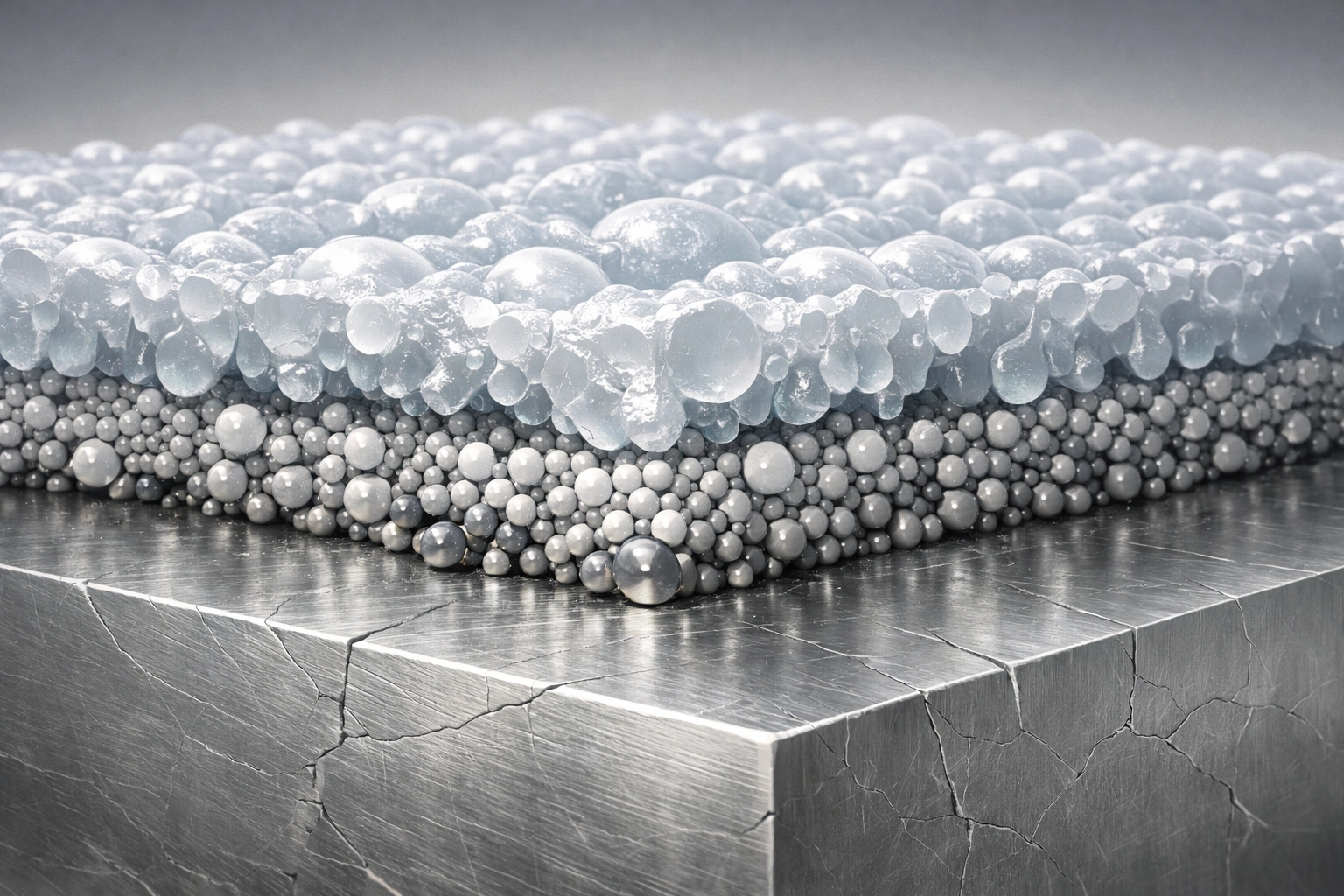
The Passive Oxide Barrier (TiO₂)
The defining characteristic of Commercially Pure (CP) Titanium is its affinity for oxygen. Upon exposure to air, the metal spontaneously forms a nanometer-thick, dense layer of Titanium Dioxide (TiO₂). This passive film acts as an impermeable ceramic shield.
- Self-Healing: If scratched, the oxide layer reforms instantly in the presence of oxygen.
- Diffusion Barrier: It prevents metal ions (Titanium, Iron) from migrating into food, even under heat.
Obojętność chemiczna w porównaniu z konkurencją
Comparing the safety profile against other common OEM materials:
| Tworzywo | Safety Mechanism | Vulnerability (Acidic Food pH < 4.6) |
|---|---|---|
| Titanium (Grade 1/2) | Natural TiO₂ Oxide Layer | None. Inert to vinegar, tomato, lemon juice at boil. |
| Stainless Steel (304) | Chromium Oxide Layer | Can leach Nickel/Chromium if the layer is breached by pitting corrosion. |
| Aluminium | Anodization (Artificial) | Highly reactive if the coating scratches; potential neurotoxicity concerns. |
If the material is safe, why do products fail lab tests? The failure usually stems from Process Contamination:
1. Polishing Media: Residual Aluminum Oxide ($Al_2O_3$) from the polishing wax.
2. Zanieczyszczenie krzyżowe: Iron dust from shared steel tooling.
3. Welding Fillers: Using non-compliant rods instead of Grade 1 wire.
2. FDA vs. LFGB: The Regulatory Divergence
For export-focused OEMs, understanding the gap between US and EU standards is critical for SKU rationalization.
FDA (Stany Zjednoczone) – 21 CFR
The US Food and Drug Administration operates on a “Toxicological Risk” philosophy.
- Regulation: Generally Recognized As Safe (GRAS).
- The Test: Titanium is generally exempt from specific additive regulations, but finished articles are tested for Extractable Heavy Metals.
- Market Status: Mandatory for Amazon US, REI, Walmart.
LFGB (Germany/EU) — Regulation (EC) No 1935/2004
The German Lebensmittel-, Bedarfsgegenstände- und Futtermittelgesetzbuch (LFGB) is the global gold standard.
- Regulation: Focuses on Specific Migration Limits (SML) I Sensory Neutrality.
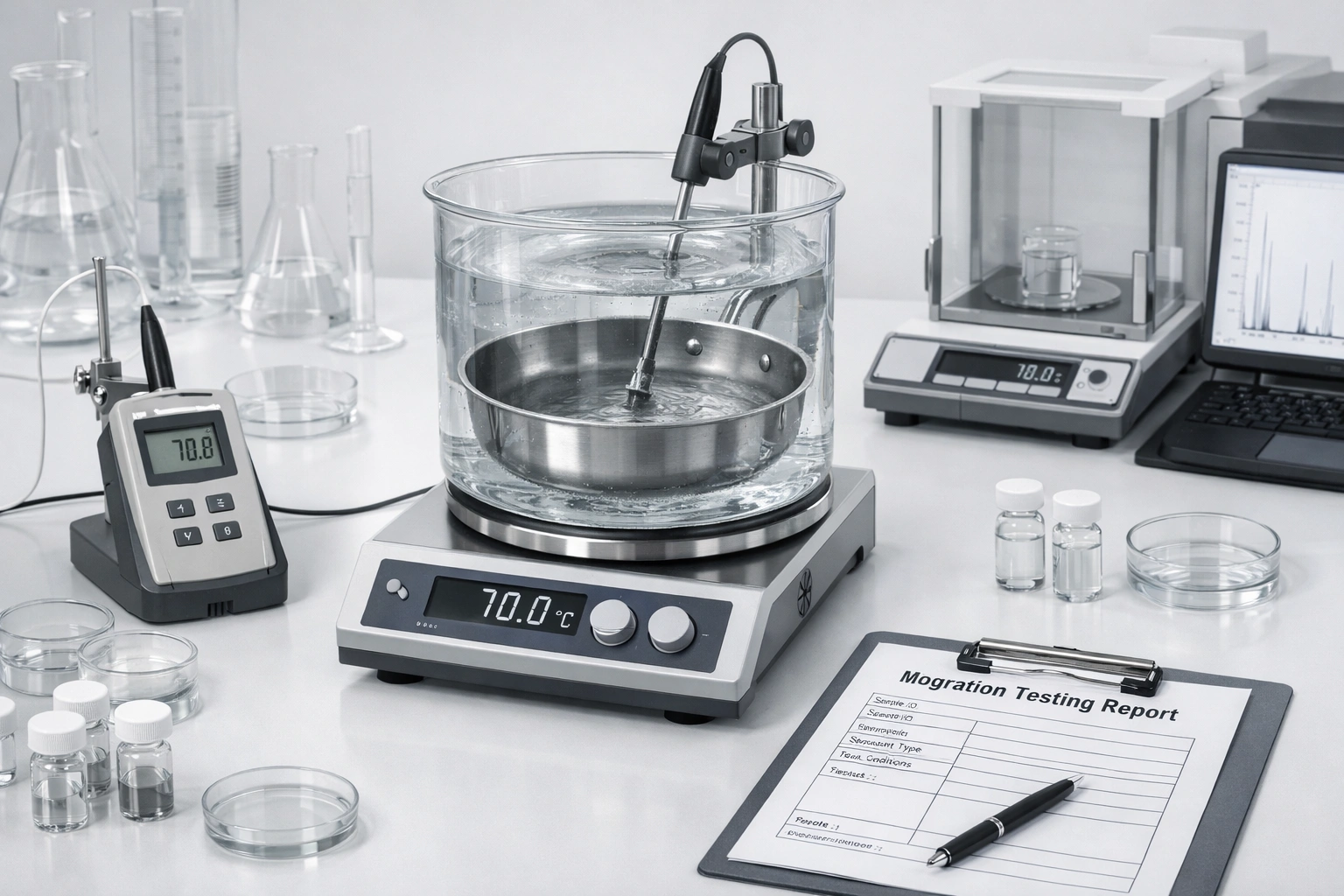
- The Test: Uses aggressive simulants (e.g., 3% kwas octowy) kept at boiling temperatures (100°C) for extended periods (30-60 mins).
- Stringency: Limits for heavy metals are significantly lower than FDA guidelines.
- Market Status: Mandatory for Germany/France; de facto requirement for the entire EEA.
Strategic Advice for Buyers: Always specify LFGB compliance in your RFQ. A titanium pot that passes LFGB migration tests will almost automatically pass FDA requirements, allowing you to maintain a single global inventory.
3. How to Audit Test Reports: The 4-Point Validation Protocol
Do not accept a generic “Pass” certificate. Procurement teams must validate the technical details of the test report to avoid liability.

-
Check 1: Test Object Definition
Ensure the lab tested the Finished Product (e.g., “Titanium Mug”), not a “Titanium Plate/Sheet.” Forming and polishing alter surface chemistry. -
Check 2: Simulant Conditions
Look for “3% Acetic Acid” at 100°C. Reports using distilled water at room temperature are invalid for cookware applications. -
Check 3: Target Analytes
The report must quantify: Lead (Pb) [ND], Cadmium (Cd) [ND], Aluminum (Al) [Polishing residue], and Żelazo (Fe) [Tooling contamination]. -
Check 4: Laboratory Accreditation
The report must come from an ISO 17025 accredited lab (SGS, TÜV, Intertek, BV). Factory internal reports are legally insufficient for export.
4. RFQ Documentation Requirements
To filter out unqualified suppliers early in the sourcing process, require the following document package in your initial Request for Quotation (RFQ):
A. Bill of Materials (BOM) with Grade Declaration
The supplier must explicitly state the material standard, e.g., “Body: ASTM B265 Grade 1 Titanium.” Vague terms like “Titanium Alloy” are red flags.
Reference: Understanding Grade 1 vs Grade 2 Titanium
B. Declaration of Compliance (DoC)
A legally binding document where the manufacturer certifies that the product meets Regulation (EC) No 1935/2004 (EU) or FDA CFR 21 (US). This shifts liability from the brand to the manufacturer in case of material failure.
C. Virgin Material Statement
A confirmation that no “Scrap Titanium” (recycled from aerospace waste) is used in food-contact components. Scrap titanium often contains Vanadium or Aluminum alloys unsafe for cookware.
5. FAQ: Answering Your Downstream Customer Questions
Your customer support team will face these questions. Here are the technical answers.
Q: Is titanium cookware safe for people with nickel allergies?
A: Yes. Commercially Pure (CP) Titanium (Grade 1 and Grade 2) is completely nickel-free. It is chemically inert and hypoallergenic, making it the safest metal choice for sensitive users.
Q: Does titanium cookware have a chemical non-stick coating?
A: No. Authentic titanium outdoor cookware relies on the bare metal’s sandblasted or polished surface. There is no PTFE (Teflon), PFOA, or ceramic coating to chip or peel off over time.
Next Steps for OEM Buyers
Ensuring compliance is not about trust; it is about verification. A robust testing protocol protects your brand from customs delays and reputational damage.
Gotowy do sprawdzenia swojej kolejnej linii produktów?
Działanie: Pobierz nasze Lista kontrolna audytu dostawcy (PDF) lub przejrzyj nasz katalog wstępnie certyfikowanych produktów Rozwiązania OEM dotyczące naczyń kuchennych z tytanu.