
Fiasko de Titania Provizanto: 6-Monataj Ruĝaj Flagoj & Kiel Konstrui Fortan Provizan Ĉenon (Kompleta Gvidilo)
La unuaj ses monatoj de titania provizanta rilato ofte determinas ĉion—produktan kvaliton, konformecon, liveran stabilecon kaj finfine vian komercan kontinuecon. En aerospacaj, medicinaj, subĉielaj, industriaj kaj OEM-sektoroj, multaj aĉetteamoj spertas la saman doloran ŝablonon: provizantoj aspektas perfektaj en la unua tago... tamen kolapsas en la kvara, kvin aŭ ses monatoj.
Ĉi tiu gvidilo malkaŝas kial titanaj provizantoj frue malsukcesas, la ruĝajn flagojn, kiujn vi devas rapide kapti, kiel kontroli provizantojn kun nula diveno, kiel kvalito-kontrolo devus funkcii kaj la ĝustaj strategioj por konstrui rezisteman, diversigitan titanan provizoĉenon.
The First 6 Months: Why Titanium Suppliers Fail (and Why It Happens Suddenly)
In B2B metals procurement, titanium is a high-precision, certification-heavy, capital-intensive material. Many new suppliers appear stable during the initial onboarding phase because they rely on:
- Existing inventory
- Priority allocation for first-time customers
- Borrowed capacity from partner workshops
- Temporary cash-flow injections
But by month four to six, the “real operating capacity” begins to surface. This is when procurement teams finally learn whether a supplier is scalable or fragile.
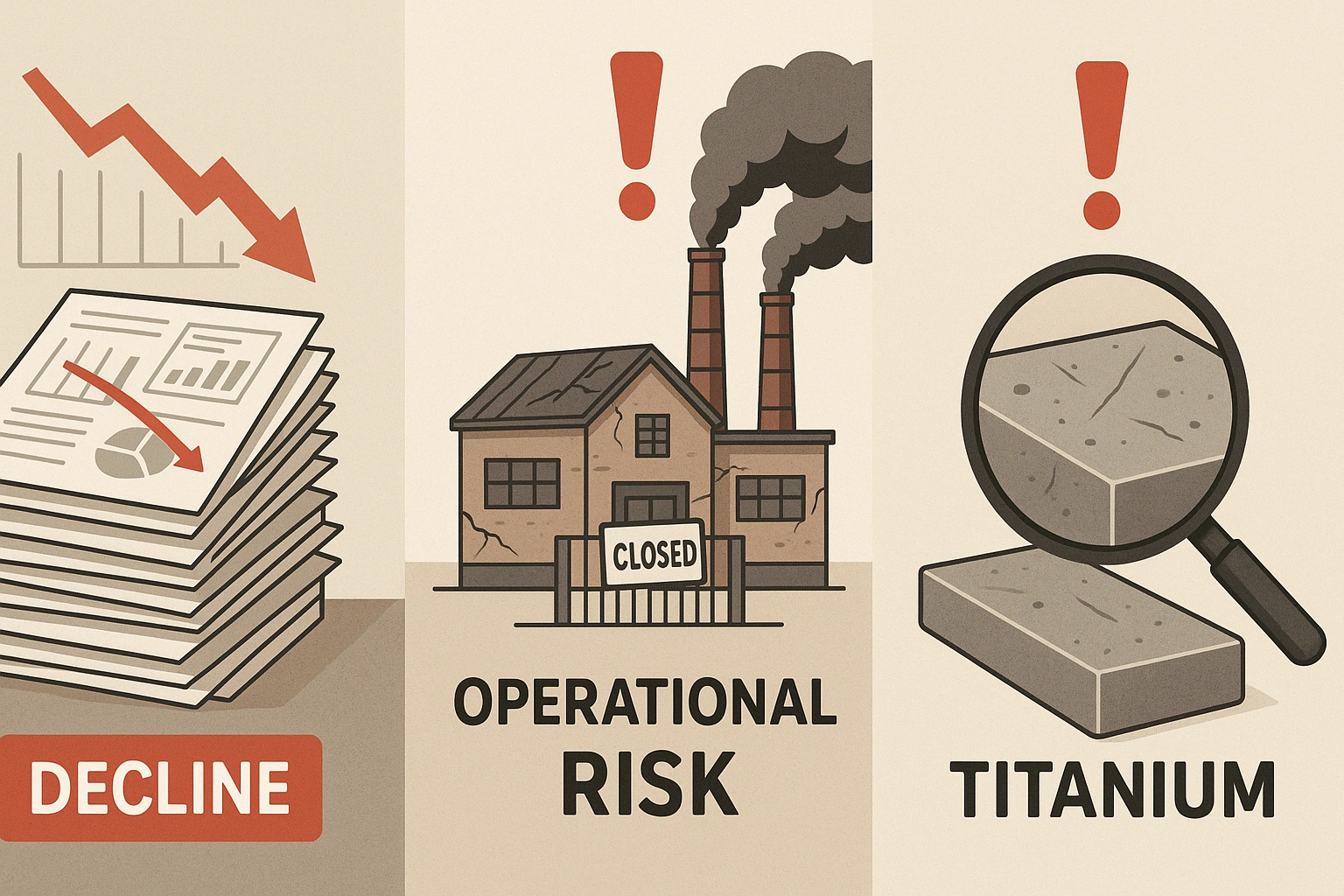
Typical Reasons Titanium Suppliers Fail in the First 6 Months
- Cash flow breakdown after a few large raw material purchases
- Weak QC system becomes visible only when repeat orders start
- Production partner withdrawal or subcontractor unreliability
- Certification non-compliance discovered during audits (AS9100, ISO13485, LFGB, FDA)
- Geopolitical risks affecting sponge titanium, billet, or plate supply
- Underpriced early quotations that cannot be sustained
A reliable titanium supplier must survive this 6-month threshold without sudden excuses, late deliveries, quality fluctuations, or pricing instability.
15 Early Red Flags That Predict Supplier Failure
Based on 7Titanium’s real-world experience auditing upstream titanium mills, forging plants, machining workshops, and medical-grade finishing partners, these red flags are the strongest predictors of collapse:
Operational Red Flags
- They cannot clearly explain their manufacturing workflow.
- They cannot trace raw material batches back to melting furnace numbers.
- They rely heavily on subcontractors but deny it.
- They refuse to share MTRs (Material Test Reports) before payment.
Kvalitaj Ruĝaj Flagoj
- Inconsistent surface finish between samples and mass production.
- Large mechanical property deviation inside the same batch.
- Missing UT (Ultrasonic Testing) results for thick titanium plates or rods.
- Repeated excuses blaming packaging, logistics, or “daughter factories.”
Financial Red Flags
- Overly aggressive price cuts (“unsustainable pricing”).
- Delayed refunds or sample reimbursements.
- Requesting full payment far earlier than industry norms.
- Sudden bank account changes.
Communication Red Flags
- Team turnover within 3–4 months.
- Slow responses during peak production periods.
- Conflicting explanations for delays.
If you encounter 5 or more of these red flags, your supplier is almost certainly unstable.
How to Professionally Vet a Titanium Supplier (Zero-Guesswork Framework)
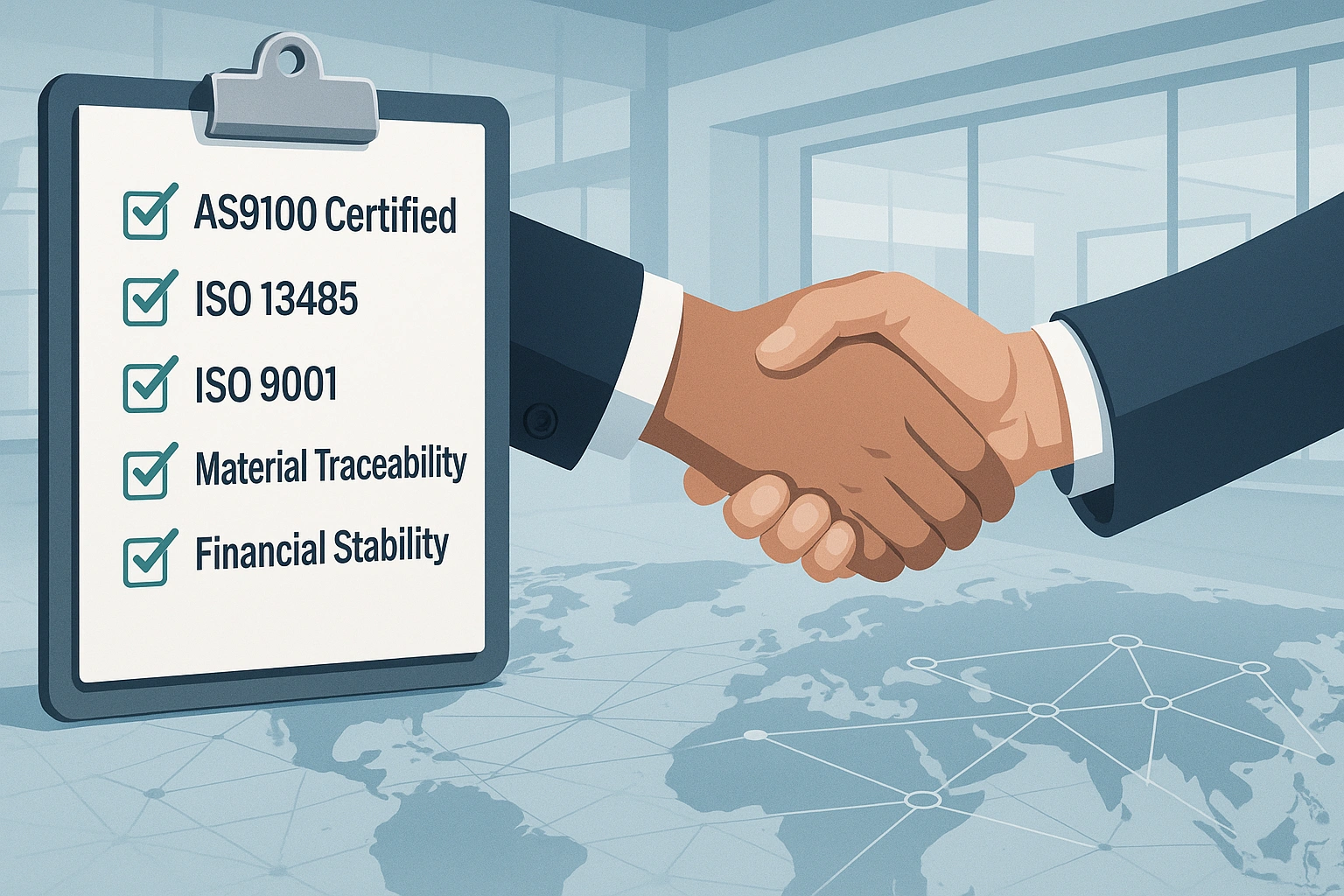
The most reliable procurement teams use a structured vetting framework covering certifications, traceability, QC systems, financial stability, and production capacity.
1. Verify Certification Levels
- AS9100 — aerospace manufacturing
- ISO 13485 — medical implants and surgical components
- ISO 9001 — baseline QC system
- LFGB/FDA — food-contact titanium products
- ASTM B265, B348, F67, F136 — material compliance
2. Demand Full Traceability
- Melting furnace number
- Chemical composition report
- Mechanical test report
- Heat treatment batch
- Surface finishing process
3. Conduct Product-Specific Stress Tests
- Ultrasonic Testing (UT)
- Microscopic structural inspection
- Surface defect scanning
- Hardness & tensile tests
4. Run Financial Stability Checks
- Credit scores
- Year-on-year revenue trend
- Debt-to-equity ratio
- Supplier payment history
Uncompromising Titanium Quality Control (QC) Requirements
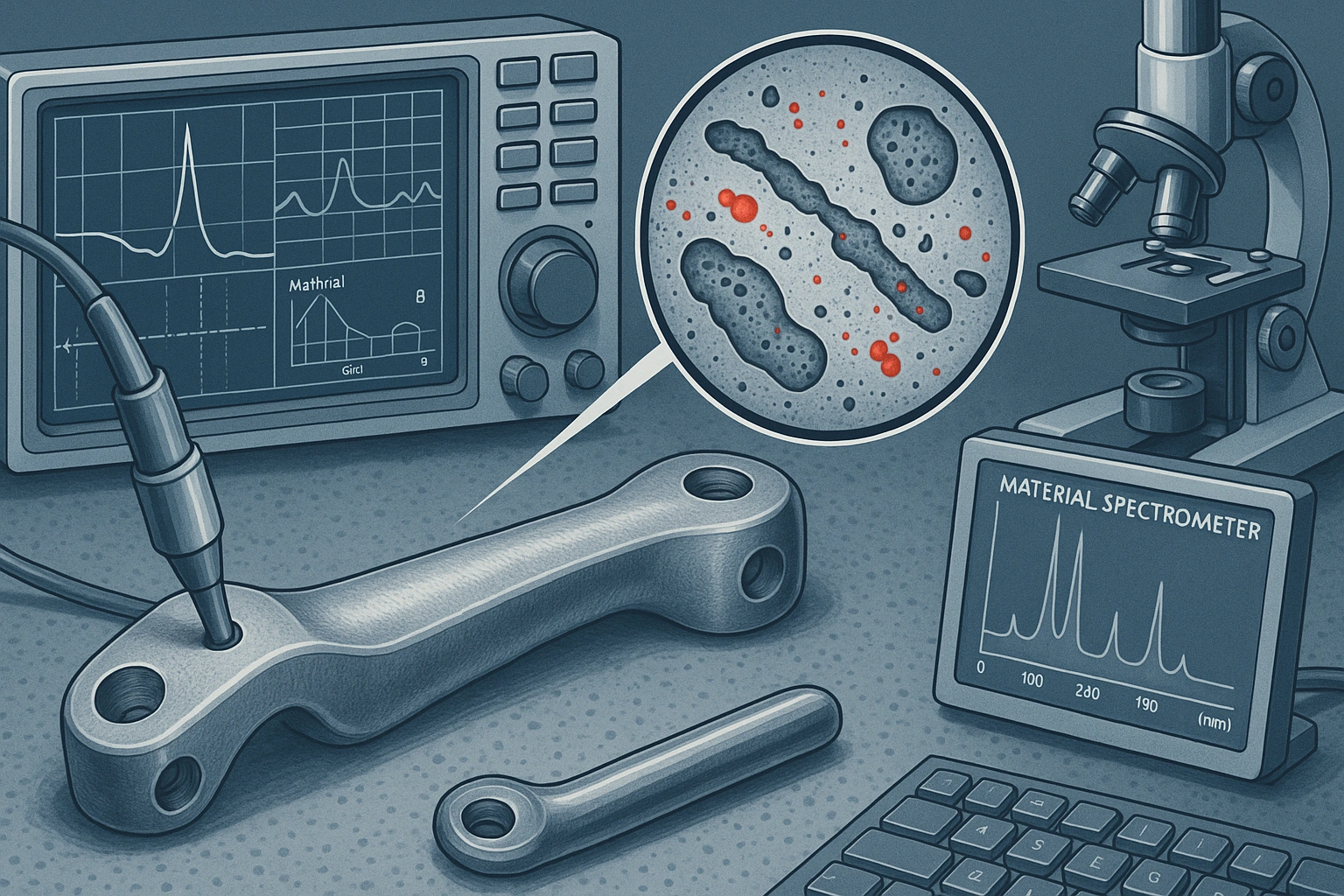
Titanium quality issues often appear only after machining, welding, or finishing—meaning poor QC from the supplier can destroy an entire project.
Common Titanium Defects You Must Detect Early
- Internal voids (porosity)
- Surface impurities or inclusions
- Hydrogen embrittlement
- Unstable grain structure
- Density anomalies
7Titanium’s QC System (Example Reference for B2B Buyers)
- Double-stage UT testing for rods and billets
- MTR verification per furnace batch
- Random tensile & hardness testing
- Surface roughness measurement
- Batch-to-batch photographic traceability
- Strict packaging—EVA foam, sealed bags, desiccants
- Inbound inspection from upstream mills
How to Build a Resilient Titanium Supply Chain
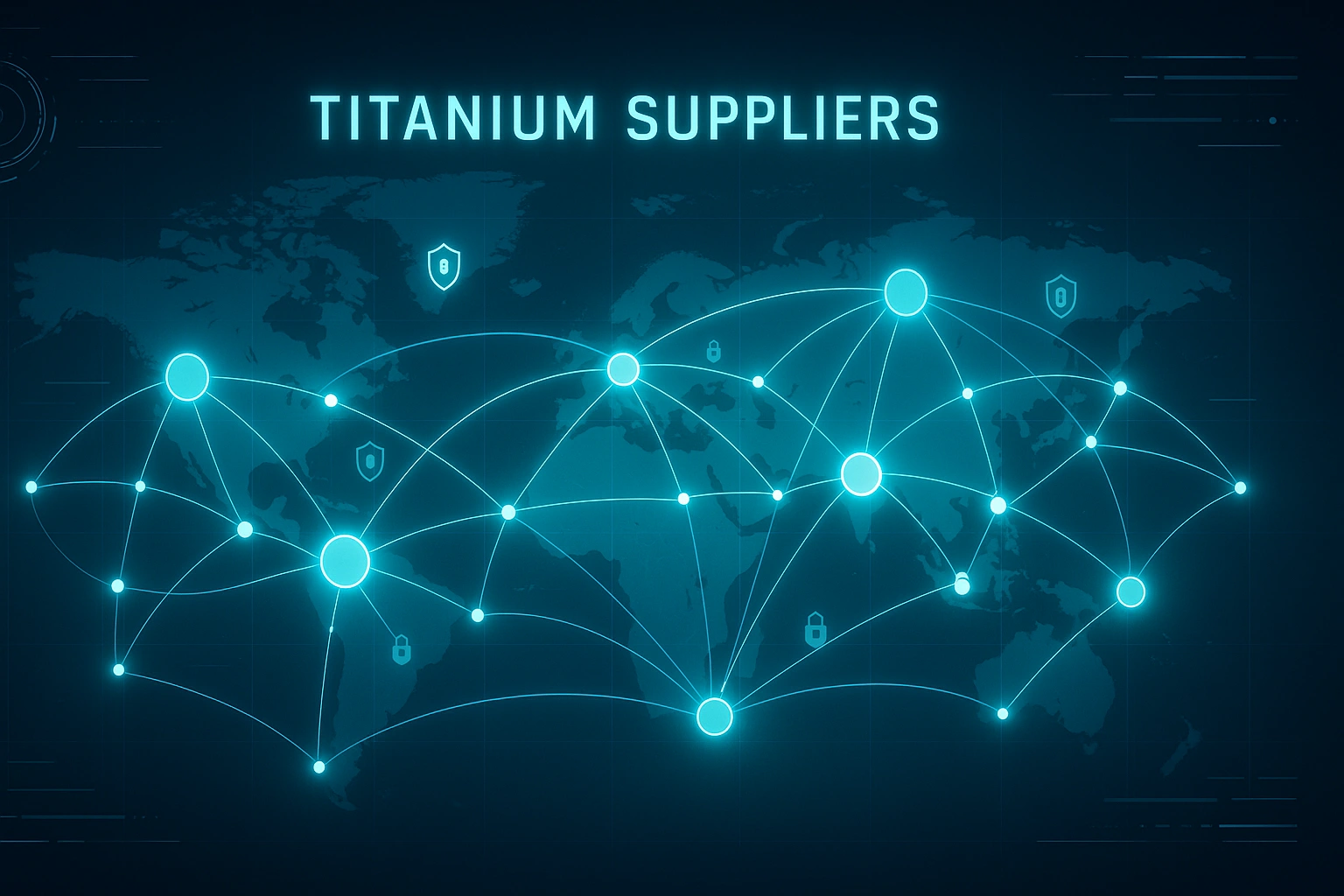
1. Never Single-Source Titanium
Because titanium relies heavily on sponge titanium availability, plate-rolling mills, forging shops, machining capacity, and certification-based finishing, one supplier cannot cover the entire chain.
2. Pre-qualify Backup Suppliers
At least two alternative sources for billets, plates, and rods should be validated in advance.
3. Maintain a 45–60 Day Safety Stock
Aerospace and medical buyers typically use 1.5–2 cycles of inventory as risk protection.
4. Conduct Quarterly Supplier Audits
Certifications expire. Machinery changes. Leadership changes. Audit helps catch risks early.
5. Build Long-term Replenishment Plans
Predictive ordering helps suppliers stabilize operations and ensures priority allocation.
Need a Reliable Titanium OEM / Industrial Supplier?
7Titanium works with aerospace, medical, outdoor, and industrial brands worldwide. We provide full MTR traceability, stable QC, and resilient multi-source supply planning.
Contact 7Titanium →FAQ — Titanium Supplier Failure & Supply Chain Stability
Why do titanium suppliers often fail within the first 6 months?
The first six months reveal whether a supplier truly has stable operations, real machining capacity, and sustainable cash flow. Many suppliers rely on existing stock or short-term outsourcing during the first orders. When real production starts, issues like operational inefficiency, weak quality control, or financial gaps quickly surface—leading to delays, defects, or sudden collapse.
How can I identify a financially unstable titanium supplier?
Warning signs include: continuous losses, declining revenue, poor credit scores, delayed payments to their own upstream factories, sudden price drops, or unexpected changes in bank accounts. These often indicate fragile liquidity and high risk of abrupt failure.
What certifications are essential for titanium suppliers?
For aerospace: AS9100 is mandatory. For medical implants: ISO 13485 and ASTM F-series compliance. For consumer, outdoor, and industrial products: ISO 9001, LFGB/FDA (food-contact), and full MTR traceability are required.
What are common warning signs of poor titanium quality upon arrival?
Red flags include inconsistent surface finish, discoloration or unusual spots, dents or scratches, missing or incorrect MTR data, weight deviations, or signs of improper heat treatment. Even mild issues may indicate deeper structural or chemical defects.
How do impurities affect titanium’s strength and durability?
Excess oxygen or nitrogen increases strength but severely reduces ductility, making titanium brittle. Hydrogen causes embrittlement and microcracking. Excess iron reduces corrosion resistance. All these impurities compromise long-term performance and can lead to catastrophic failure in critical applications.
What are the risks of using substandard titanium?
Poor-quality titanium can fail during machining, welding, bending, or sterilization. In aerospace and medical fields, defects can lead to safety hazards, rejected production batches, or catastrophic component failure. Financially, recalls and rework can be devastating.
How can I build a resilient titanium supply chain?
Use multi-sourcing (never rely on one supplier), pre-qualify backup suppliers, maintain 45–60 days of safety inventory, implement quarterly audits, and ensure all suppliers provide full furnace-level traceability. Supplier diversification dramatically reduces risk from geopolitical disruptions, raw material fluctuations, or individual factory failures.