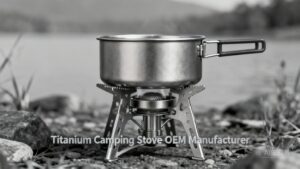
In the rapidly evolving world of specialty coffee and outdoor adventure, the demand for premium, durable, and performance-driven gear is at an all-time high. For outdoor brands, specialty coffee gear sellers, and OEM buyers, the material of choice often dictates the product’s market position, longevity, and user experience. This comprehensive guide delves into the compelling advantages of titanium coffee gear OEM, focusing specifically on French presses and drippers, and outlines the intricate process of bringing these exceptional products to life. Partnering with a specialized titanium OEM manufacturer offers a strategic advantage, enabling brands to deliver products that stand out in a competitive landscape, characterized by uncompromising quality and innovative design.
The Unrivaled Advantages of Titanium for Coffee Gear
Titanium, a metal renowned for its extraordinary properties, is increasingly becoming the material of choice for high-end coffee equipment. Its unique characteristics make it perfectly suited for applications where durability, purity, and thermal performance are paramount.
Superior Strength-to-Weight Ratio
One of titanium’s most celebrated attributes is its escepta forto-peza rilatumo. This means that titanium gear is incredibly robust and resistant to deformation, yet remarkably lightweight. For outdoor enthusiasts and travelers, a lightweight French press aŭ portable coffee dripper significantly reduces pack weight without sacrificing durability, making it an ideal choice for backpacking, camping, and expedition use. This inherent lightness also translates to a premium feel in everyday use, distinguishing titanium products from heavier, bulkier alternatives.
Unmatched Durability and Corrosion Resistance
Titanium boasts superior resistance to corrosion, rust, and chemical degradation. Unlike stainless steel, which can pit or corrode over time, especially when exposed to acidic substances like coffee, titanium remains pristine. This koroda rezisto ensures a longer product lifespan and maintains the aesthetic integrity of the gear, even with frequent use and exposure to harsh outdoor elements. Its robustness also means it’s highly resistant to dents and scratches, making it a truly adventure-proof material.
Flavor Neutrality and Biocompatibility
A critical factor for any coffee gear is its impact on flavor. Titanium is completely inert and non-reactive, meaning it imparts absolutely no metallic taste or odor to your coffee. This flavor neutrality ensures that every brew tastes exactly as intended by the beans, preserving the delicate nuances and complexities of specialty coffee. Furthermore, titanium is biokongrua, widely used in medical implants, confirming its safety for food and beverage contact. This makes it an ideal material for health-conscious consumers and brands prioritizing purity.
Thermal Properties for Optimal Brewing
Titanium exhibits excellent thermal conductivity kaj heat retention properties. While it heats up quickly, it also retains heat efficiently, which can be beneficial for maintaining brewing temperatures, especially in outdoor or cooler environments. For coffee drippers, this can contribute to a more stable extraction temperature. For French presses, the material helps keep the coffee warm longer after brewing, enhancing the overall drinking experience.
Sustainability and Longevity
Investing in titanium coffee gear is a choice for daŭripovo. Its extreme durability means products last for decades, reducing the need for replacements and minimizing waste. Titanium is also an abundant and recyclable material, aligning with the growing consumer demand for eco-conscious and long-lasting products.
| Karakterizaĵo | Titanio | Neoksidebla ŝtalo (304/316) | Glass | Plastic (BPA-free) |
|---|---|---|---|---|
| Pezo | Extremely Lightweight | Modera ĝis Peza | Heavy, Fragile | Tre Malpeza |
| Fortikeco | Exceptional (Dent/Scratch Proof) | Very Good (Dent/Scratch Resistant) | Fragile (Breaks Easily) | Moderate (Scratches, Cracks) |
| Koroda Rezisto | Superior (No Rust/Pitting) | Good (Can Pit/Rust over time) | Bonega | Bonega |
| Flavor Neutrality | Perfekte (No Metallic Taste) | Very Good (Can have slight taste) | Perfekte | Good (Can absorb odors/stains) |
| Biocompatibility | Bonega (Medical Grade) | Good | Bonega | Good |
| Thermal Retention | Good | Good | Moderate (Loses heat quickly) | Poor |
| Kosto | Alta | Modera | Low to Moderate | Malalta |
| Ideal Use Case | Premium Outdoor, Travel, Everyday | Home, Cafe, General Purpose | Home, Aesthetics | Budget, Travel |
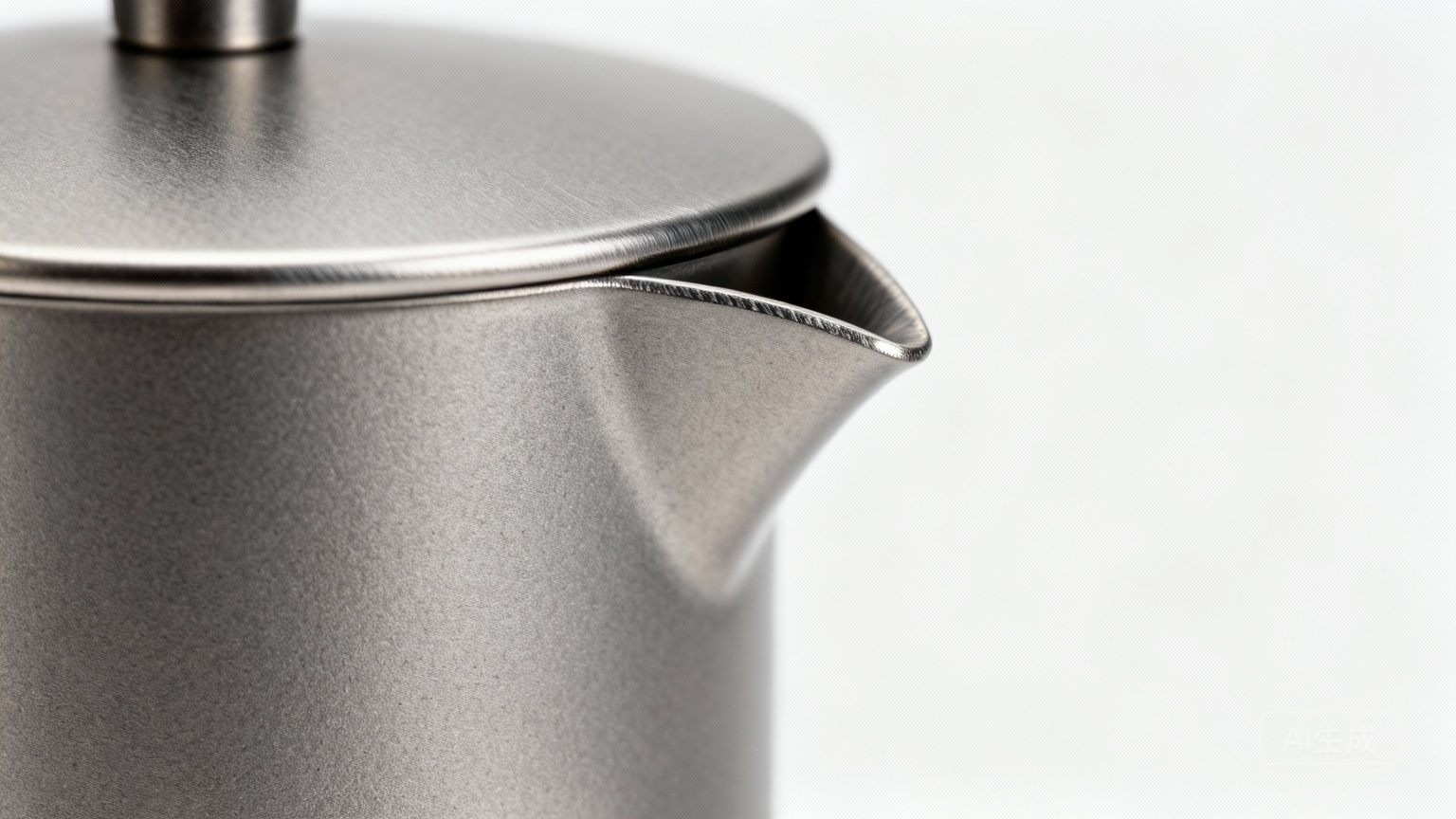
Exploring Titanium Coffee Gear Categories for OEM
The versatility of titanium lends itself beautifully to various coffee brewing methods, offering a premium upgrade to traditional designs. For OEM buyers, understanding the specific applications and design considerations for each category is crucial.
Titanium French Press: Robustness Meets Brew Quality
La French press is celebrated for its simplicity and ability to produce a rich, full-bodied coffee. A titanium French press elevates this experience significantly. The material’s durability makes it ideal for outdoor adventures where glass or ceramic would be impractical due to fragility. Its flavor neutrality ensures the purity of the brew, while its malpeza naturo makes it a favorite among backpackers and campers. OEM designs can focus on:
- Integrated plunger and filter systems crafted from titanium mesh.
- Double-wall insulation for enhanced thermal retention.
- Compact, stackable designs for portability.
- Ergonomic handles and pouring spouts for ease of use.
Titanium Coffee Drippers: Precision and Portability
Coffee drippers, such as pour-over cones (e.g., V60 style, Kalita Wave style), are favored for their ability to produce clean, nuanced cups of coffee. Titanium coffee drippers offer unparalleled advantages in terms of portability, durability, and thermal stability. Their lightweight nature makes them perfect for travel, while the material’s robustness ensures they can withstand the rigors of outdoor use without bending or breaking. Key OEM considerations include:
- Collapsible or stackable designs for ultra-compact storage.
- Precision-engineered flow rates through optimized hole patterns.
- Integrated stands or universal compatibility with various mugs and carafes.
- Fine titanium mesh filters as an alternative to paper, enhancing sustainability and flavor.
Other Emerging Titanium Coffee Accessories
Beyond the core brewing devices, titanium is also making inroads into a range of coffee accessories:
- Titanium coffee mugs and cups: Offering superior insulation, durability, and a clean taste.
- Titanium coffee scoops: Lightweight, precise, and highly durable.
- Titanium travel coffee kits: Comprehensive sets including grinders, drippers, and mugs, all optimized for minimal weight and maximum performance.
The Art and Science of Titanium Manufacturing for Coffee Gear
Fabrikado high-quality titanium coffee gear requires specialized expertise and advanced techniques. The unique properties of titanium, such as its strength and high melting point, necessitate precise processes to achieve the desired forms and finishes.
Deep Drawing: Forming Seamless Vessels
Deep drawing is a manufacturing process used to form sheet metal into hollow, three-dimensional shapes, often with a seamless construction. For titanium coffee gear, this technique is crucial for creating the bodies of French presses, coffee mugs, and dripper cones without welds or seams.
- Procezo: A titanium sheet is clamped over a die opening and then forced into the die cavity by a punch. The metal flows plastically to take the shape of the punch and die.
- Advantages: Produces smooth, seamless, and aesthetically pleasing parts with excellent structural integrity. This eliminates potential leak points and enhances hygiene. It’s ideal for producing the main body of a French press or a single-piece dripper.
- Challenges: Titanium’s high strength and low ductility at room temperature make deep drawing more challenging than with other metals. It often requires multiple drawing stages with intermediate annealing to prevent tearing and ensure material integrity.
CNC Machining: Precision for Intricate Components
Komputila Nombra Kontrolo (CNC) maŝinado is a subtractive manufacturing process that uses computerized controls to operate machine tools, shaping titanium blocks or sheets into highly precise parts.
- Procezo: A CAD model is translated into G-code, which guides multi-axis machines to cut, drill, and mill titanium material with extreme accuracy.
- Advantages: Essential for creating intricate components such as precise filter holders, specialized plunger mechanisms, ergonomic handles, and custom bases for drippers. CNC allows for tight tolerances and complex geometries, ensuring perfect fit and function for all mechanical parts. It’s also critical for creating custom branding elements with high detail.
- Applications: Precisely machined holes for dripper flow rates, threads for securing parts, custom logos, and unique handle designs.
Mesh Fabrication: Crafting Superior Filters
Por French presses and pour-over drippers, the quality of the filter mesh is paramount to the brewing experience. Titanium mesh fabrication offers a durable, reusable, and flavor-neutral alternative to traditional stainless steel or paper filters.
- Procezo: Titanium wire is woven or expanded into a mesh with specific micron ratings. This mesh is then cut, formed, and often laser-welded into the desired filter shape (e.g., circular for French presses, cone-shaped for drippers).
- Advantages: Titanium mesh filters are incredibly durable, resistant to corrosion, and will not impart any metallic taste. They are also reusable and environmentally friendly, reducing waste from paper filters. The precise control over mesh size allows for optimized filtration, ensuring a clean cup while allowing desirable oils to pass through for a richer body.
- Considerations: The mesh size (micron rating) is crucial and must be carefully selected based on the brewing method and desired coffee clarity.
| Manufacturing Process | Best Suited For | Key Advantages | Common Challenges for Titanium |
|---|---|---|---|
| Deep Drawing | Seamless bodies (French press, mugs, dripper cones) | Smooth, strong, aesthetically clean, no welds | Requires multiple stages, high tooling cost |
| CNC-Maŝinado | Intricate parts (plungers, handles, bases, filters) | High precision, complex geometries, tight tolerances | Material waste, slower for simple shapes |
| Mesh Fabrication | Filters (French press plungers, dripper filters) | Durable, reusable, flavor-neutral, precise filtration | Specialized weaving/forming equipment |
Cost Logic and Minimum Order Quantities (MOQ) in Titanium OEM
Understanding the financial aspects of titanium OEM manufacturing is crucial for strategic planning. While titanium products command a higher price point, their long-term value and premium market position justify the investment.
Factors Influencing Unit Cost
Several factors contribute to the unit cost of titanium coffee gear:
- Kosto de Krudmaterialo: Titanium itself is more expensive than stainless steel or aluminum due to its extraction and refining processes.
- Komplekseco de fabrikado: Deep drawing and CNC machining of titanium require specialized machinery, higher energy consumption, and slower processing speeds compared to softer metals.
- Ilaj Kostoj: Initial investment in custom molds, dies, and CNC programming for unique designs can be substantial. These costs are typically amortized over the production run.
- Surfaca Finado: Advanced finishes like anodization or PVD coating add to the unit cost.
- Kvalita Kontrolo: Rigorous testing and inspection processes ensure the highest standards, adding to overhead.
- Order Volume: Larger MOQs generally lead to lower per-unit costs due to economies of scale in material purchase and manufacturing setup.
Understanding MOQ: A Strategic Partnership
Minimuma Ordo Kvanto (MOQ) is a standard practice in OEM manufacturing, reflecting the efficiencies gained from larger production runs. For titanium coffee gear, MOQs can vary significantly based on product complexity and the specific manufacturing processes involved.
- Why MOQs Exist: Setting up specialized titanium machinery, procuring raw materials in bulk, and optimizing production lines are significant investments for manufacturers. MOQs help spread these fixed costs across more units, making production economically viable.
- Typical Ranges: For highly specialized titanium coffee gear like French presses or complex drippers, MOQs might start from 500 to 1,000 units. For simpler accessories like scoops or basic mugs, it might be lower.
- Strategic Approach: For brands new to titanium OEM, starting with a manageable MOQ allows for market testing and feedback gathering. As demand grows, increasing order volumes can lead to better pricing and enhanced profitability. Establishing a strong, long-term partnership with an OEM supplier can also lead to more flexible MOQ arrangements over time.
Elevating Aesthetics: Surface Finishing Options for Titanium Gear
Beyond its inherent properties, titanium offers a range of surface finishing options that enhance both its aesthetic appeal and functional performance, allowing brands to create truly unique and premium products.
Polishing and Brushing
- Polurado: Achieves a high-gloss, mirror-like finish, highlighting titanium’s natural luster. This finish offers a sophisticated and premium look, though it can show fingerprints more readily.
- Brushing: Creates a subtle, satin finish with fine, parallel lines. This finish is popular for its elegant, understated appearance and ability to hide minor scratches better than a polished surface.
Anodization: Color and Protection
Titanium anodization is an electrochemical process that forms a protective, colored oxide layer on the surface of the metal. Unlike paints or dyes, this layer is integral to the titanium, meaning it won’t chip, peel, or fade.
- Procezo: Titanium parts are immersed in an electrolytic solution and subjected to an electric current. The voltage applied determines the thickness of the oxide layer, which in turn dictates the color through light interference (similar to how a prism works).
- Advantages: Offers a wide spectrum of vibrant, iridescent colors (blues, purples, golds, greens) without using pigments. It also enhances corrosion resistance and provides a biocompatible, non-toxic finish.
- Applications: Ideal for adding distinct brand identity or creating visually striking products, particularly for specialty coffee and outdoor markets.
Sandblasting/Bead Blasting: Matte Finishes
Sandblasting or bead blasting involves propelling abrasive media (sand, glass beads, ceramic beads) at high pressure onto the titanium surface.
- Procezo: The abrasive media creates a uniform, textured matte finish.
- Advantages: Provides a non-reflective, robust, and tactile surface that is excellent at hiding fingerprints and minor imperfections. It gives products a rugged, industrial, or minimalist aesthetic.
- Applications: Popular for outdoor gear where a low-sheen, durable finish is desired.
PVD Coating: Enhanced Durability and Aesthetics
Physical Vapor Deposition (PVD) coating is a thin-film deposition technique that applies a very hard and durable layer to the titanium surface.
- Procezo: In a vacuum chamber, material (e.g., titanium nitride, zirconium nitride) is vaporized and deposited as a thin film onto the product’s surface.
- Advantages: Significantly increases surface hardness, wear resistance, and corrosion resistance. PVD coatings can also provide a range of attractive colors (e.g., black, gold, rose gold, gunmetal gray), offering a premium, long-lasting finish.
- Applications: For high-wear areas or for premium aesthetic appeal, providing both functional and visual benefits.
Branding and Customization: Your Vision, Our Expertise
Effective branding is crucial for market success. Titanium OEM manufacturers offer extensive customization options to ensure your coffee gear perfectly reflects your brand’s identity and vision.
Logo Application Techniques
- Laser Gravurado: A precise and permanent method to etch logos, text, or intricate designs directly onto the titanium surface. It creates a crisp, contrasting mark that will never fade or wear off. Ideal for a premium, subtle branding approach.
- Chemical Etching: Uses chemical reagents to remove material and create a recessed design. Offers excellent detail and can be used for more intricate patterns or textures.
- Anodization (Selective): By masking certain areas, specific parts of the titanium can be anodized to a particular color, creating contrasting logos or patterns.
- PVD Coating (Selective): Similar to anodization, PVD coatings can be applied selectively to create durable, contrasting logos or design elements.
Custom Design and Prototyping
OEM partnerships extend beyond just manufacturing; they encompass design collaboration. Manufacturers with in-house design and engineering capabilities can help:
- Translate concepts into manufacturable designs: Optimizing for titanium’s properties and manufacturing processes.
- Create 3D renderings and technical drawings: For clear visualization and precise specifications.
- Produce prototypes: Allowing brands to test functionality, aesthetics, and user experience before committing to full production. This iterative process is vital for refining the product and ensuring market readiness.
Ensuring Excellence: Quality Testing for Titanium Coffee Gear
Quality assurance is paramount for titanium coffee gear, especially given its premium positioning and food contact application. A reputable OEM partner will implement rigorous testing protocols at every stage of production.
Material Composition Verification
- Spectroscopy: Using X-ray fluorescence (XRF) or optical emission spectroscopy (OES) to confirm the exact titanium alloy composition (e.g., Grade 1, Grade 2), ensuring it meets specified standards for food safety and performance.
- Hardness Testing: Verifying the material’s hardness to ensure it meets durability requirements.
Structural Integrity and Durability Tests
- Drop Tests: Simulating real-world impacts to assess resistance to dents and deformation, especially critical for outdoor-focused gear.
- Testo de Laceco: Subjecting components to repeated stress cycles to evaluate their long-term structural integrity and identify potential failure points.
- Leakage Tests: For French presses and other liquid-containing vessels, ensuring all seams and seals are watertight.
- Handle Strength Tests: Verifying that handles can withstand intended loads without bending or breaking.
Food Safety and Biocompatibility Compliance
- Leaching Tests: Ensuring that no harmful substances leach from the titanium into food or beverages, complying with international standards (e.g., FDA, LFGB, REACH).
- Surface Roughness Measurement: Controlling surface finishes to prevent bacterial growth and facilitate easy cleaning.
- Neutrality Testing: Confirming that the material imparts no unwanted flavors or odors to coffee.
Performance Testing (Brewing Efficiency, Thermal Retention)
- Thermal Performance Tests: Measuring heat retention capabilities for insulated mugs and French presses, and thermal stability for drippers.
- Flow Rate Consistency: For drippers, ensuring consistent water flow through precision-drilled holes or mesh, critical for optimal extraction.
- Filter Efficiency: Testing the effectiveness of titanium mesh filters in separating grounds from liquid while allowing desirable coffee oils to pass through.
The Seamless OEM Development Workflow
Partnering with a specialized titanium OEM manufacturer involves a structured workflow designed to bring your product vision to fruition efficiently and effectively.
1. Concept & Design Consultation:
- Initial Inquiry: You provide your product concept, target market, desired features, and preliminary specifications.
- Feasibility Assessment: The OEM team evaluates the technical feasibility of manufacturing your design in titanium, offering expert advice on material grades, manufacturing processes, and potential design optimizations.
- Quotation: Based on the assessed scope, an initial quotation for tooling, unit cost, and MOQ is provided.
2. Prototyping & Sampling:
- Detailed Design & Engineering: Collaborative development of detailed CAD models and technical drawings.
- Tooling Development: Fabrication of molds, dies, and fix