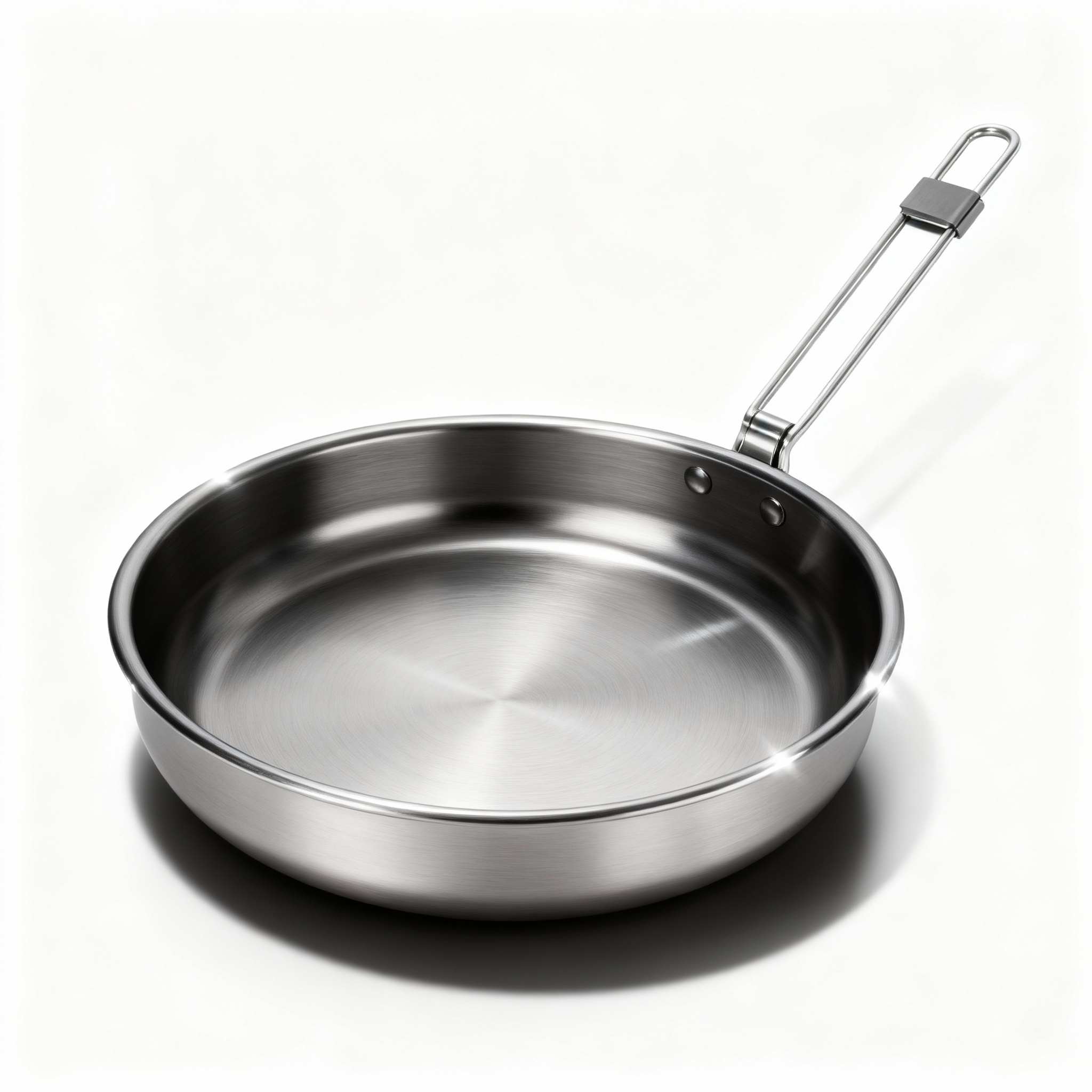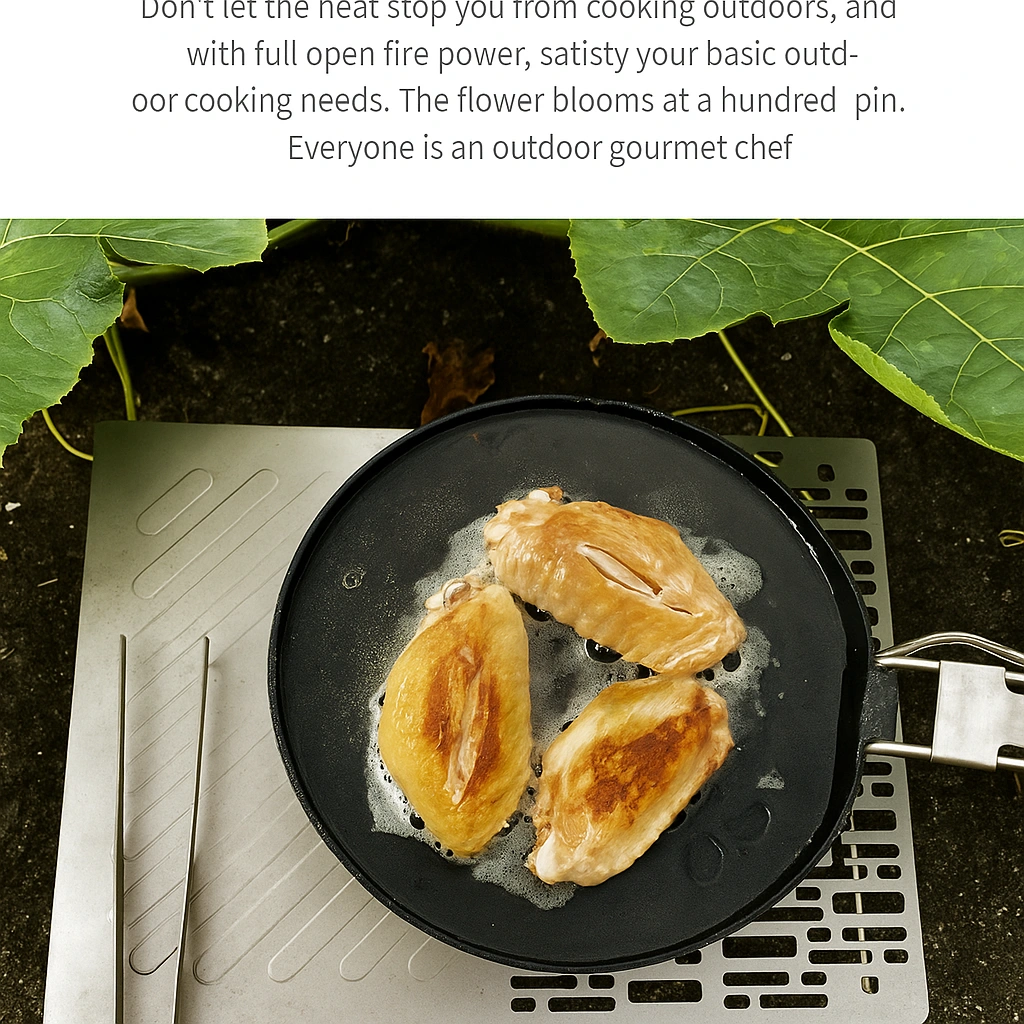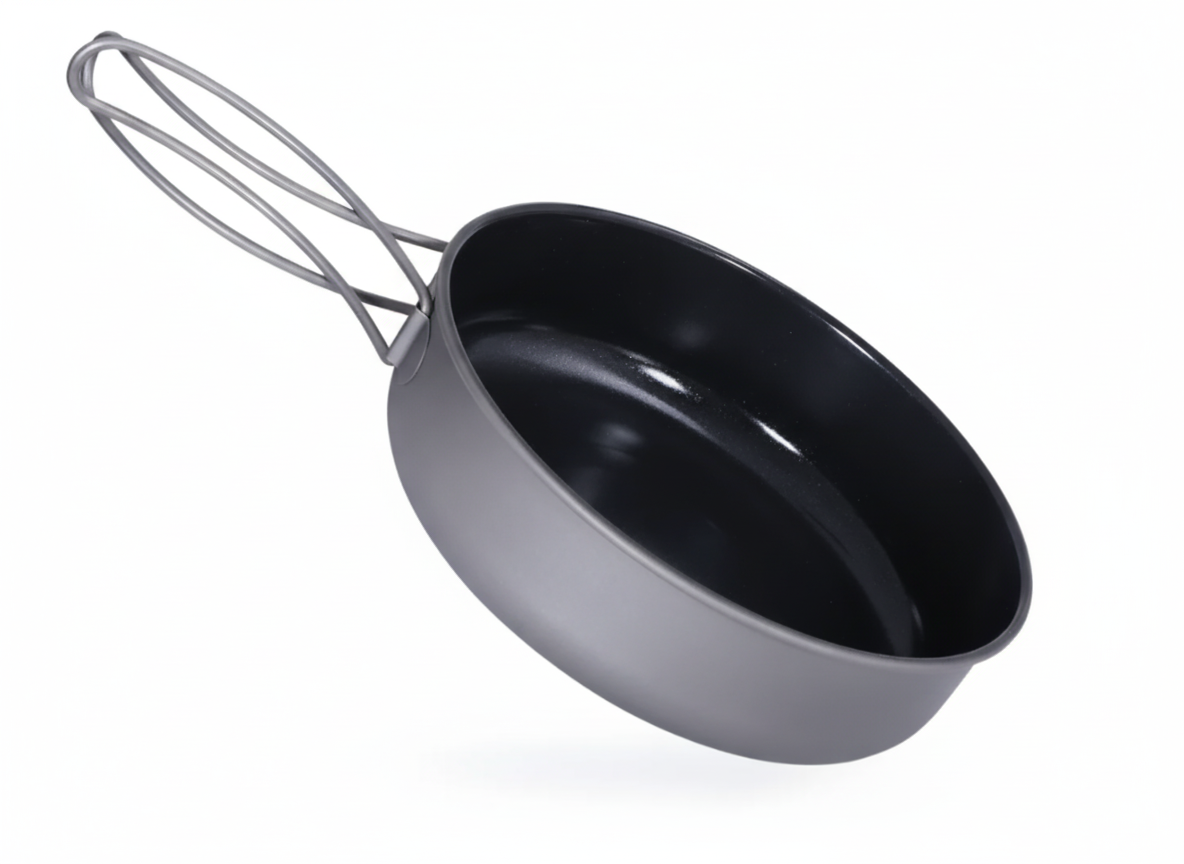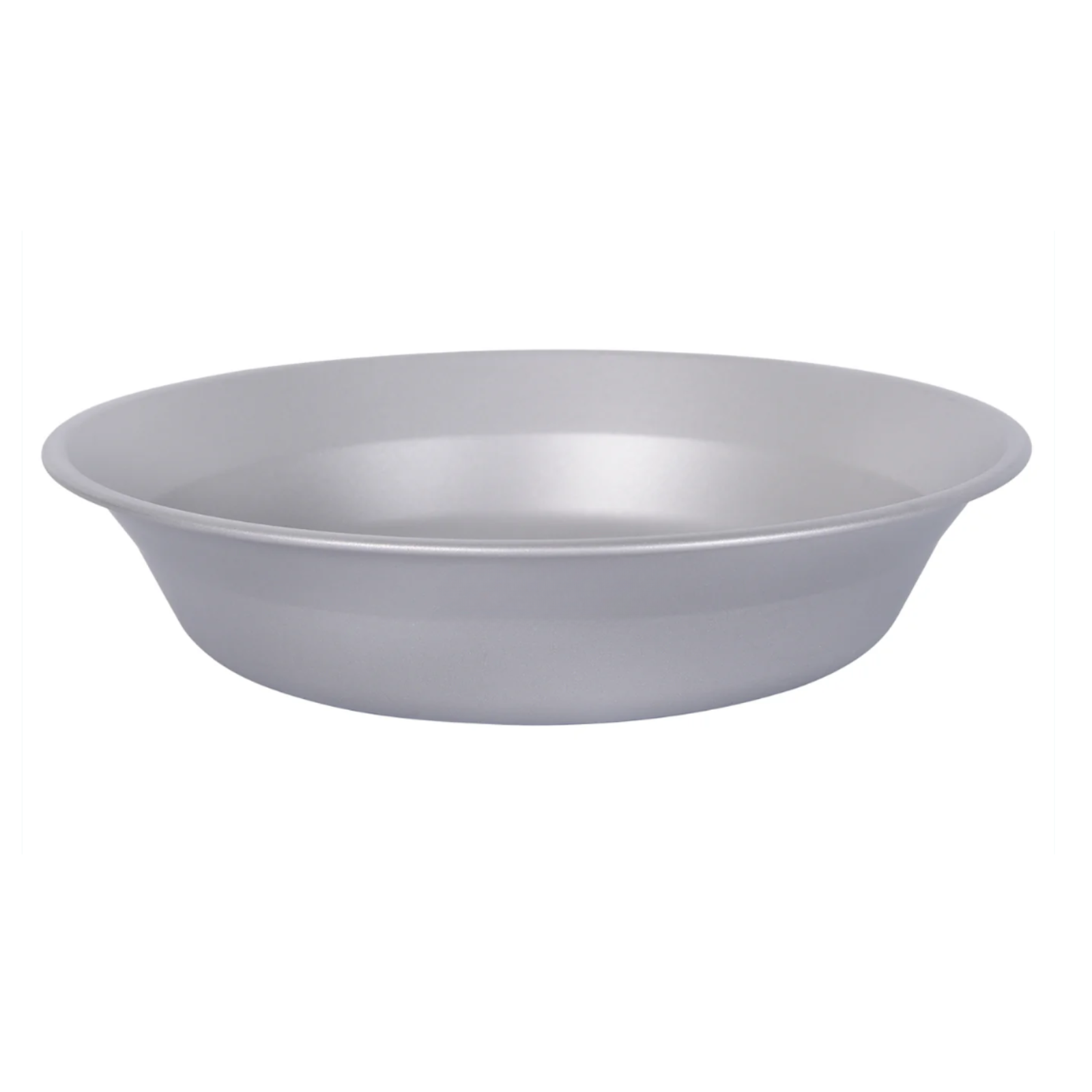
Titanium Pans Engineered for Extreme Performance

Ultra-light, corrosion-proof titanium pans designed for outdoor brands, military field kitchens, and cookware OEM manufacturers.

Procurement & Engineering Pain Points

Titanium pans address long-standing challenges in performance cookware manufacturing, outdoor equipment supply chains, and military field operations.

Excessive Weight of Stainless Steel Pans

Increases logistics cost, reduces portability, and limits suitability for outdoor and tactical applications. Titanium reduces system weight by up to 45%.

Material Degradation in Harsh Environments

Conventional alloys corrode under salt, humidity, and acidic conditions, resulting in shortened lifecycle and increased warranty claims. Titanium is inherently corrosion-proof.

Surface Coatings Fail Under Thermal Cycling

Non-stick coatings deteriorate with repeated heating, compromising quality and compliance. Titanium’s stable oxide layer maintains integrity without coatings.

Engineering Advantages of Titanium Pans

Titanium delivers measurable performance and lifecycle advantages validated by material science and field testing.

Exceptional Strength-to-Weight Ratio

Up to 45% lighter than stainless steel while maintaining structural rigidity. Reduces transportation weight and improves end-user mobility.

Corrosion & Chemical Resistance

Titanium’s passive oxide layer provides natural protection against saltwater, humidity, and acids — ideal for outdoor, maritime, and military operations.

Thermal Stability & Rapid Heat Response

Titanium resists deformation under rapid thermal cycling, enabling consistent cooking performance and longer service life.

Non-Toxic & Biocompatible

Meets FDA & ISO food-contact requirements. No coatings needed, eliminating risks of peeling or contamination.

Applikationsscenarier

Outdoor & Camping Brands

Ultralight and corrosion-proof titanium pans are ideal for backpacking sets, expedition cookware systems, and high-performance outdoor brands.

Military & Field Operations

Titanium’s durability, non-toxicity, and resistance to harsh climates make it a preferred choice for tactical field cooking equipment.

OEM Cookware Manufacturers

Supports high-volume production with customizable dimensions, handles, surface treatments, and packaging for global retail distribution.

OEM Manufacturing Capability

End-to-end titanium pan manufacturing supported by engineering-grade processes and strict materials compliance standards.

Titanium Sheet Forming

Precision deep-drawing and stamping for consistent pan geometry.

CNC Trimming & Surface Processing

Edge finishing, deburring, sandblasting, and oxide-layer stabilization.

Handle Welding & Riveting

TIG welding or mechanical fastening based on OEM specifications.

Laser Engraving & Branding

Support for private label, SKU tracking, and anti-counterfeit coding.

Quality & Compliance Testing

Salt-spray, deformation, food-contact safety (ISO, FDA), and lifecycle tests.

Retail Packaging Customization

Color box, blister, pouch, barcodes, and logistics-ready labeling.

Material Comparison: Titanium vs Stainless Steel vs Aluminum

Technical comparison based on mechanical properties, durability, corrosion resistance, and operational lifecycle performance.

Ejendom Titanium Rustfrit stål (304) Aluminium
Vægt ◎ 45% lighter than SS ● Heavy ◎ Light
Korrosionsbestandighed ◎ Excellent (salt, humidity) ○ Good ▲ Poor (oxidation)
Thermal Stability ◎ High (no deformation) ○ Medium ▲ Low
Surface Coatings Required Ingen Optional Usually required
Expected Lifecycle ◎ 10–20 years ○ 5–10 years ▲ 1–3 years

Ofte stillede spørgsmål

Key technical and procurement questions regarding titanium cookware manufacturing, material performance, and OEM project requirements.

Is titanium safe for cookware applications?

Yes. Pure titanium is biocompatible and meets global food-contact requirements (ISO 10993, FDA CFR 21). It does not release ions, react with food, or require coatings.

Does titanium deform under high heat?

Titanium maintains structural stability under rapid thermal cycling. Its high melting point (1668°C) and low thermal deformation make it suitable for both outdoor stoves and high-output burners.

Can titanium pans be made non-stick?

Titanium naturally forms a stable oxide layer that provides light non-stick properties. Additional surface texturing and sandblasting can enhance performance without coatings.

What is the typical OEM order quantity?

Standard MOQs range from 1,000–3,000 units depending on size and handle specifications. Higher-volume projects receive optimized tooling and production cost benefits.

Can we customize dimensions, thickness, and handle design?

Yes. We support full customization including diameter, wall thickness, side-wall geometry, bottom curvature, folding handles, welding options, and branded engraving.

How does titanium compare to stainless steel in total lifecycle cost?

While titanium has a higher upfront material cost, its extended service life (10–20 years), corrosion resistance, and weight reduction offer significantly lower total cost of ownership.

Start Your Titanium Pan OEM Project

Our engineering and procurement support teams respond within 12 hours. Share your specifications to receive a technical proposal and bulk pricing.

Request Bulk Pricing

OEM-partner af globale udendørs- og køkkenudstyrsmærker.

Pålidelig Titanium OEM Partner