
أوتاد خيمة التيتانيوم (وتسمى أيضًا أوتاد خيمة التيتانيوم) عبارة عن مثبتات خفيفة الوزن ومقاومة للتآكل تستخدم لتأمين الخيام والمظلات والملاجئ على الأرض. يتم تصنيع معظم أوتاد خيمة التيتانيوم من التيتانيوم النقي تجاريًا (CP) من الدرجة 2 أو التيتانيوم Ti-6Al-4V (الدرجة 5)، مما يوفر توفيرًا في الوزن بنسبة 43% تقريبًا مقابل أوتاد الفولاذ وقوة تحمل فائقة مقارنةً بمكافئات الألومنيوم من نفس الكتلة.
بالنسبة للعلامات التجارية الخارجية التي تقوم بتقييم شراكات OEM، فإن عوامل القرار الأساسية هي: درجة المادة والوزن (الدرجة 2 CP بقطر 3-4 مم تزن عادةً 6-8 جرام لكل حصة 165 مم)، والحد الأدنى لكمية الطلب (عادةً 50-100 قطعة للتصميمات القياسية)، والمهلة الزمنية (7-15 يومًا للدفعات الصغيرة)، وتكلفة الوحدة (تتراوح أسعار الجملة من 2.86 دولارًا إلى 3.62 دولارًا أمريكيًا للتصاميم البسيطة) تصاميم خطاف الراعي بأحجام معتدلة). يغطي هذا الدليل المواصفات وعمليات التصنيع ومعايير تقييم الموردين والمزالق الشائعة المتعلقة بالمصادر.

ما هي أوتاد خيمة التيتانيوم؟
أوتاد خيمة التيتانيوم عبارة عن مراسي أرضية خفيفة الوزن مصنوعة من سبائك التيتانيوم، مصممة لتأمين خيام التخييم والملاجئ الخفيفة والمظلات الخارجية. إنها تؤدي نفس وظيفة أوتاد الفولاذ أو الألومنيوم التقليدية ولكنها تستفيد من خصائص مادة التيتانيوم الفريدة: نسبة القوة إلى الوزن العالية، ومقاومة التآكل، والمتانة.
أنواع التصميم الأساسية
تأتي أوتاد خيمة التيتانيوم في عدة تكوينات هندسية، كل منها مُحسّن لظروف التربة وحالات الاستخدام المختلفة:
1. خطاف الراعي (حصص الأسلاك)
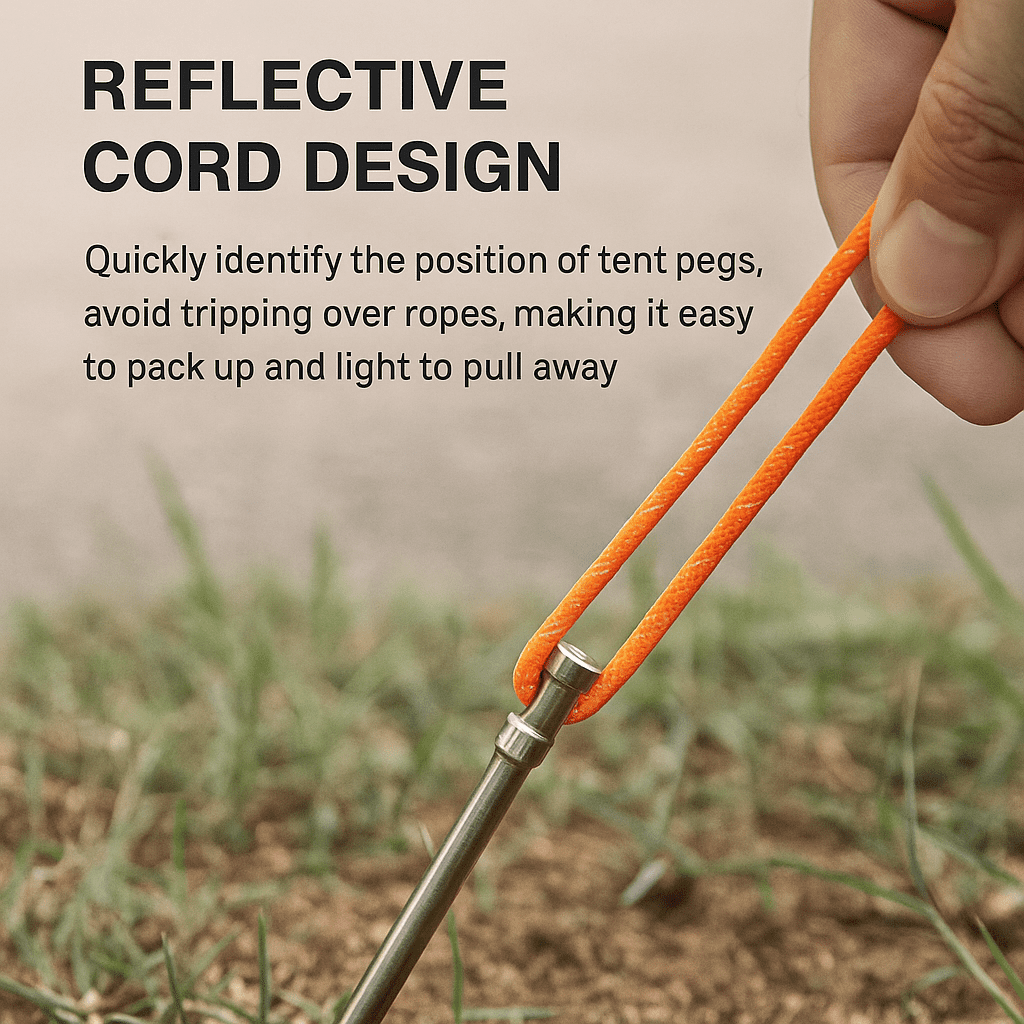
يتكون من سلك أو قضيب من التيتانيوم مع خطاف في الأعلى لسهولة الإزالة. الأبعاد النموذجية: 165 مم طول × 3-3.5 مم قطر، ويزن حوالي 6-8 جرام لكل حصة. هذه هي التصميمات الأكثر شيوعًا لحقائب الظهر الخفيفة.
2. حصص على شكل حرف V
يتم تشكيلها من صفائح التيتانيوم أو الأسلاك المشكلة في مقطع عرضي على شكل حرف V. يزيد الشكل V من مساحة السطح للحصول على قوة تحمل أفضل في التربة الناعمة مع الحفاظ على الوزن المنخفض. الأبعاد النموذجية: الطول 160-200 ملم، 13-15 جرامًا لكل حصة.
3. حصص على شكل حرف Y
تشبه حصص V ولكن مع مقطع عرضي ثلاثي الجوانب لزيادة الصلابة الالتوائية. أكثر ملاءمة للتربة الصخرية أو الصلبة. الوزن عادة 15-20 جرامًا لأطوال 180-200 ملم.
4. حصص الأظافر (دبوس مستقيم)
قضيب تيتانيوم أسطواني بسيط ذو طرف مدبب ورأس مسطح أو مُشكل. شائع في أنظمة المأوى البسيطة. تختلف الأبعاد من 150-300 مم طول، وقطر 3-6 مم.

مقارنة الوزن حسب المادة
بالنسبة لهندسة الوتد المتماثلة (طول 165 مم، مقطع عرضي قابل للمقارنة)، تخلق كثافة المادة هذه الاختلافات التقريبية في الوزن:
- الألومنيوم: ~4-5 جرام (الأخف، لكن القوة الأقل تتطلب مقاطع عرضية أكبر)
- التيتانيوم: ~6-8 جرام (التوازن الأمثل بين القوة والوزن)
- فُولاَذ: ~12-14 جرام (أثقل، ولكن أعلى قوة مطلقة)
من الناحية العملية، توفر أوتاد التيتانيوم قوة فائقة لكل جرام مقارنة بالألومنيوم، مما يسمح بتشكيلات أرفع تقترب من وزن الألومنيوم مع الحفاظ على قوة الإمساك الشبيهة بالفولاذ.
مواصفات وتد خيمة التيتانيوم
عند تقييم أو تحديد أوتاد خيمة التيتانيوم لإنتاج OEM، تحدد هذه المعلمات التقنية أداء المنتج ومتطلبات التصنيع.
درجات المواد وخصائصها
تيتانيوم درجة 2 (نقي تجاريًا)
- الكثافة: ~4.5 جم/سم3
- قوة الشد: ~ 345 ميجا باسكال
- التطبيقات: خطافات وأوتاد الراعي ذات الشكل السلكي حيث يتم إعطاء الأولوية لقابلية التشكيل
- المزايا: قدرة فائقة على تحمل الانحناء، وأسهل للتشكيل في أشكال معقدة، وتكلفة أقل للمواد من الدرجة الخامسة
- المقايضات: قوة أقل من الدرجة 5؛ قد تتطلب مقاطع عرضية أكبر قليلاً للحصول على قوة إمساك مكافئة
تيتانيوم درجة 5 (Ti-6Al-4V)
- الكثافة: ~4.42 جم/سم3
- قوة الشد: ~900-1,000 ميجا باسكال
- التطبيقات: حصص عالية الأداء تتطلب أقصى نسبة من القوة إلى الوزن
- المزايا: ما يقرب من 3 أضعاف قوة الشد من الدرجة الثانية؛ يسمح بملامح أرق وأوزان نهائية أخف
- المقايضات: أكثر صعوبة في التشكيل؛ ارتفاع تكلفة المواد. يتطلب درجات حرارة تزوير/التليين محددة
الأبعاد القياسية والتسامح
حصص خطاف الراعي (مواصفات OEM الأكثر شيوعًا)
- الطول: 165 ملم (تفاوت ± 2 ملم نموذجيًا)
- قطر السلك: 3.0-3.5 مم (تسامح ±0.1 مم)
- الوزن: 6-8 جرام لكل حصة (الدرجة 2)
- نصف قطر الخطاف: الحد الأدنى لسمك السلك 4.5-6× لمنع التشقق أثناء التشكيل
- نصيحة هندسية: نقطة مدببة أو أرضية لاختراق التربة
حصص على شكل حرف V
- الطول: 160-200 ملم
- عرض الملف الشخصي: 8-12 مم (مقطع عرضي على شكل حرف V)
- الوزن: 13-15 جرام للحصة الواحدة
- سمك المادة: 1.0-1.5 مم من صفائح التيتانيوم أو الأسلاك المشكلة
معايير توريد المواد
يجب أن تتوافق أسلاك وقضبان التيتانيوم المستخدمة في تصنيع أوتاد الخيمة مع:
- أستم B863: سلك التيتانيوم وسبائك التيتانيوم
- أوس A5.16: مواصفات أقطاب وقضبان لحام التيتانيوم وسبائك التيتانيوم (مرجع الأسلاك)
- آيزو 5912:2020: خيام التخييم - المتطلبات وطرق الاختبار (معيار مستوى النظام لمكونات الخيمة)
مواصفات الأداء
مقاومة التآكل
تشكل أوتاد خيمة التيتانيوم بشكل طبيعي طبقة أكسيد سلبية، مما يوفر مقاومة فائقة للتآكل في المياه المالحة، والتربة الحمضية، والبيئات عالية الرطوبة. للامتثال لنظام الخيام، تشير المواصفة ISO 5912 إلى اختبار رش الملح ISO 9227 للمكونات المعدنية.
قوة القابضة
ملحوظة: أزال معيار ISO 5912:2020 بشكل صريح اختبار أداء الاستقرار القابل للتكرار بسبب عدم وجود طرق موحدة. تختلف قوة السحب بشكل كبير بناءً على:
- نوع التربة (رملية، طينية، طينية، صخرية)
- محتوى رطوبة التربة
- عمق الإدراج
- زاوية الإدراج (متعامدة مقابل الزاوية)
- يجب على موردي تصنيع المعدات الأصلية لمنطقة المقطع العرضي إنشاء بروتوكولات اختبار داخلية تكرر ظروف التربة المستهدفة وتوثيق بيانات قوة السحب لأغراض المقارنة.
متطلبات الوزن
بالنسبة للعلامات التجارية التي تقوم بتسويق "الحد الأدنى للوزن القابل للاستخدام" (مصطلح محدد في ISO 5912)، يجب تضمين أوتاد الخيمة في وزن النظام إذا كانت ضرورية لنصب الخيمة. يؤثر هذا على كيفية توصيل وزن الحصة في مواصفات المنتج.

اعتبارات تصنيع OEM
يساعد فهم عملية إنتاج أوتاد خيمة التيتانيوم العلامات التجارية على وضع توقعات واقعية للمهل الزمنية والتكاليف ومعايير الجودة.
عمليات التصنيع
أوتاد على شكل سلك (خطاف الراعي، الدبوس المستقيم)
- شراء المواد: مصدر سلك التيتانيوم من الدرجة 2 أو الدرجة 5 المطابق للمواصفة ASTM B863. السلك متوفر بأطوال أو ملفات مستقيمة. بأقطار تتراوح من 0.1 إلى 6 مم (مسحوب على البارد) وحتى 15 مم (قضبان مدلفنة على الساخن).
- استقامة: إذا وصل السلك بشكل ملفوف، قم بتسويته قبل القطع.
- قطع لطول: قطع دقيق لطول الوتد المحدد (تفاوت ± 2 مم).
- تشكيل نصيحة: قم بطحن أو تضييق أحد الأطراف لإنشاء نقطة اختراق للتربة.
- هوك / تشكيل الرأس: بالنسبة لخطافات الراعي، قم بثني السلك باستخدام أدوات التشكيل. يجب أن يكون الحد الأدنى لنصف قطر الانحناء 4.5-6× سمك السلك لمنع التشقق. تتطلب الدرجة الخامسة تحكمًا أكثر دقة من الدرجة الثانية.
- التشطيب السطحي: تشمل المعالجات الاختيارية التخليل (التنظيف الكيميائي)، أو السفع الرملي، أو الأكسدة للون.
- ضبط الجودة: فحص الأبعاد، التحقق من الوزن، الفحص البصري للشقوق أو عيوب التشكيل.
حصص V وY مختومة/مشكلة
- شراء المواد: صفائح تيتانيوم (سمك 1.0-1.5 مم) أو سلك ذو قطر أكبر للتشكيل.
- ختم/تشكيل: يتم ضغط الورقة المسطحة إلى مقاطع عرضية على شكل V أو Y. تتراوح تكلفة الأدوات للهندسة الجديدة من 500 دولار إلى 2000 دولار أمريكي اعتمادًا على التعقيد.
- قطع لطول: قص أو قطع التشكيل الجانبي إلى الطول المحدد.
- تشكيل الرأس والرأس: تسطيح أو تشكيل الرأس لسطح القيادة؛ شحذ غيض.
- المعالجة السطحية ومراقبة الجودة: نفس حصص الأسلاك.
الحد الأدنى لكميات الطلب (موك)
تختلف موك أوتاد خيمة التيتانيوم النموذجية حسب تعقيد التصميم ومستوى التخصيص:
التصاميم القياسية (الأدوات الموجودة)
- حصص خطاف الراعي البسيطة: 50-100 قطعة
- حصص على شكل حرف V وحصص على شكل حرف Y: 100-200 قطعة
تصميمات مخصصة (يتطلب أدوات جديدة)
- تتطلب الأشكال الهندسية المخصصة قوالب جديدة: 500-1000 قطعة لاستهلاك تكلفة الأدوات
موك التخصيص
- نقش/وضع الشعار: الحد الأدنى 100 قطعة
- التشطيبات الملونة المخصصة: الحد الأدنى 100-200 قطعة
- التعبئة المخصصة: الحد الأدنى 1000 قطعة
للمقارنة، فإن موك حصة خيمة الألومنيوم عادة ما تكون أقل بنسبة 20-30٪ بسبب التشكيل الأبسط وتوافر المواد على نطاق أوسع.
أوقات الرصاص
الجداول الزمنية للإنتاج من أمر الشراء إلى الشحن:
دفعات صغيرة (1-100 قطعة)
- التصميمات القياسية باستخدام الأدوات الموجودة: 7-10 أيام
- التصاميم أو التشطيبات المخصصة: 10-15 يومًا
دفعات متوسطة (101-500 قطعة)
- التصاميم القياسية: 10-15 يوما
- تصاميم مخصصة: 15-20 يوما
دفعات كبيرة (500+ قطعة)
- التصاميم القياسية: 15-20 يوما
- التصميمات المخصصة التي تتطلب أدوات جديدة: 20-30 يومًا (بما في ذلك وقت تصنيع الأدوات)
إضافة 3-7 أيام للشحن الدولي والتخليص الجمركي.
هيكل التكلفة
تكاليف المواد
تعتبر مادة التيتانيوم الخام أكبر محرك للتكلفة. تتراوح أسعار تشكيل وتشكيل التيتانيوم من عشرات إلى مئات الدولارات للكيلوغرام الواحد، وتختلف حسب:
- الصف (CP الصف 2 مقابل سبيكة الصف 5)
- عامل الشكل (سلك، قضيب، ورقة)
- كمية الشراء
- الطلب الحالي في السوق
تسعير الجملة لكل وحدة (مرجع)
بالنسبة لخطاف الراعي المصنوع من التيتانيوم مقاس 300 مم:
- 100-499 قطعة: ~ 3.62 دولارًا أمريكيًا للحصة الواحدة
- أكثر من 500 قطعة: ~2.86 دولارًا أمريكيًا للحصة الواحدة
تتراوح الرهانات الأقصر (165 ملم) عادةً بين 2.00 دولارًا و3.00 دولارًا أمريكيًا بكميات معتدلة (200-500 قطعة).
تكاليف الأدوات
- حصص على شكل سلك باستخدام أدوات الانحناء القياسية: الحد الأدنى من الأدوات الإضافية (~$0-$200)
- قوالب ختم جديدة لحصص V أو ملفات التعريف المخصصة: تكلفة لمرة واحدة تتراوح بين 500 دولار و2000 دولار أمريكي
- إعداد نقش الشعار: 50 دولارًا - 150 دولارًا أمريكيًا
التشطيب والعلامة التجارية
- الأنودة/معالجة الألوان: يضيف 0.30 دولارًا إلى 0.80 دولارًا لكل حصة
- نقش الشعار بالليزر: يضيف 0.15 دولارًا إلى 0.40 دولارًا لكل حصة
- تغليف مخصص لكل وحدة: يضيف 0.20 دولارًا - 0.60 دولارًا لكل حصة بقيمة تزيد عن 1000
نقاط تفتيش مراقبة الجودة
تأكد من قيام موردي OEM بتنفيذ خطوات مراقبة الجودة هذه:
التحقق من المواد
- طلب شهادات اختبار المواد (MTCs) المطابقة للمعيار EN 10204 3.1 لإمكانية التتبع
- تحقق من مطابقة درجة التيتانيوم (الدرجة 2 أو الدرجة 5) لمواصفات أمر الشراء
- تأكد من توافق الخواص الكيميائية والميكانيكية مع متطلبات ASTM B863
التفتيش الأبعاد
- تحمل الطول: ±2 مم
- تسامح القطر: ± 0.1 مم لحصص الأسلاك
- التحقق من الوزن: قم بقياس حصص العينة للتأكد من تطابق الكتلة مع مواصفات التصميم (على سبيل المثال، 6-8 جرام لحصص 165 مم × 3.5 مم من الدرجة الثانية)
جودة التشكيل
- فحص نصف قطر الانحناء بحثًا عن الشقوق أو العيوب السطحية
- تحقق من هندسة الخطاف وحدة الطرف
- تحقق من الاستقامة والمقطع العرضي المتسق
حالة السطح
- افحص بحثًا عن الخدوش أو الحفر أو التلوث
- تحقق من اتساق النهاية في حالة تطبيق الأنودة أو الطلاء
الاختبار الوظيفي
- إجراء اختبار السحب في ظروف التربة التمثيلية (على الرغم من عدم وجود طريقة موحدة وفقًا لمعيار ISO 5912)
- قوة تثبيت المستند عند أعماق وزوايا إدخال محددة
تقييم موردي أوتاد خيمة التيتانيوم
عند فحص شركاء OEM المحتملين لتصنيع أوتاد خيمة التيتانيوم، استخدم هذه المعايير لفصل الموردين المؤهلين عن المصادر غير الموثوقة.
الشهادات الأساسية والامتثال
نظام إدارة الجودة ISO 9001
تأكد من أن المورد يحمل شهادة ISO 9001 الحالية لمنشأة التصنيع الخاصة به. وهذا يضمن وجود عمليات جودة موثقة وإمكانية التتبع وأنظمة التحسين المستمر.
شهادات المواد
اطلب EN 10204 3.1 شهادات اختبار المواد (MTCs) لجميع أسلاك أو قضبان أو صفائح التيتانيوم المستخدمة في الإنتاج. يجب على MTCs توثيق ما يلي:
- درجة المواد (الصف 2 CP أو الصف 5)
- التركيب الكيميائي
- الخواص الميكانيكية (قوة الشد، مقاومة الخضوع، الاستطالة)
- تتبع الحرارة/الكثير
الامتثال التنظيمي (خاص بالسوق)
لأسواق الاتحاد الأوروبي:
- الوصول إلى الامتثال: تأكيد فهم المورد للالتزامات بموجب اللائحة (EC) 1907/2006 للمواد
- فحص SVHC: التحقق من فحص الطلاءات والتعبئة ومواد التشطيب للتأكد من عدم وجود مواد مثيرة للقلق الشديد
- ملاحظة: تنطبق شهادات LFGB وFDA على المواد التي تلامس الطعام فقط، وليس على أجهزة التخييم مثل أوتاد الخيمة
للأسواق الأمريكية:
- تأكيد الامتثال لمتطلبات الجمارك وحماية الحدود الأمريكية لواردات التيتانيوم
- التحقق من وثائق بلد المنشأ لتصنيف التعريفات
تقييم القدرة على الإنتاج
التحقق من القدرة والمهلة الزمنية
اسأل الموردين عن:
- القدرة الإنتاجية الحالية (قطع يوميا لتصميم حصتك)
- الجداول الزمنية الرصاصية حسب شريحة الكمية
- بيانات أداء التسليم في الوقت المحدد الأخيرة
اطلب مراجع من 2-3 عملاء حاليين في نطاقات حجم مماثلة للتحقق من الجداول الزمنية الموعودة.
الأدوات والمعدات
أثناء عمليات تدقيق المصنع أو مكالمات الفيديو، تحقق مما يلي:
- معدات استقامة وقطع الأسلاك
- تشكيل الرقصات والمكابس المناسبة للتيتانيوم
- معدات الطحن CNC أو الدقيقة لتشكيل الأطراف
- قدرات المعالجة السطحية (التخليل، السفع الرملي، أنودة)
- معدات النقش بالليزر أو الميكانيكية لوضع علامات على الشعار
أنظمة مراقبة الجودة
تأكد من أن الموردين لديهم:
- إجراءات فحص المواد الواردة
- فحوصات الأبعاد أثناء العملية (الفرجار، الميكرومتر، موازين الوزن)
- بروتوكولات التفتيش النهائية مع معايير القبول الموثقة
- إجراءات تصحيحية موثقة للعيوب
شفافية التكلفة وموك
طلب تفاصيل الأسعار التفصيلية
يجب أن يتضمن عرض أسعار المورد المحترف ما يلي:
- تكلفة المواد لكل وحدة
- تكلفة التصنيع لكل وحدة
- تكاليف الأدوات (مرة واحدة أو مطفأة)
- تكاليف التشطيب/العلامة التجارية (الشعار واللون والتغليف)
- تكاليف الشحن والخدمات اللوجستية
- شروط الدفع ومتطلبات الودائع
استراتيجية التفاوض موك
للطلبات الأولية:
- طلب موك أقل لعمليات النموذج الأولي/أخذ العينات (50-100 قطعة)
- التفاوض على تخفيضات الحجم مع التسعير المتدرج (على سبيل المثال، 100-499 قطعة، 500-999 قطعة، أكثر من 1000 قطعة)
- توضيح موك منفصلة لعناصر العلامة التجارية (الشعار بحد أدنى 100 قطعة، التعبئة والتغليف بحد أدنى 1000 قطعة)

أخذ العينات والتحقق من صحة ما قبل الإنتاج
طلب عينات ما قبل الإنتاج
قبل الالتزام بتشغيل الإنتاج الكامل:
- اطلب 10-20 عينة من الحصص بالمواصفات المذكورة
- إجراء التحقق من الوزن (مقاييس دقيقة تصل إلى 0.1 جرام)
- إجراء فحوصات الأبعاد باستخدام الفرجار
- عينات الاختبار الميداني في ظروف التربة التمثيلية
- تقييم جودة تشطيب السطح واتساقه
- تحقق من جودة الشعار/العلامة التجارية إن أمكن
الموافقة على عينة الوثيقة
قم بإنشاء مستند موافقة على العينة مكتوبًا يحدد:
- أبعاد الحصة المعتمدة والتفاوتات
- نطاق الوزن المعتمد
- معايير الانتهاء من السطح
- وضع الشعار ومتطلبات الجودة
تصبح هذه الوثيقة معيار التصنيع لجميع الطلبات اللاحقة.
الأعلام الحمراء لتجنب
العلامات التحذيرية للموردين غير الموثوقين:
- غير قادر على توفير شهادات اختبار المواد (MTCs)
- لا يوجد شهادة الجودة ISO 9001 أو ما يعادلها
- التزامات مهلة زمنية غامضة أو غير متسقة
- عدم الرغبة في تقديم مراجع العميل
- أسعار أقل بكثير من أسعار السوق (تقترح مواد دون المستوى المطلوب أو اختصارات للجودة)
- ضعف التواصل باللغة الإنجليزية مما يخلق غموضًا في المواصفات
- طلبات السداد الكامل مقدمًا دون وجود علاقة ثابتة
- لا يمكن إثبات خبرة التشكيل الخاصة بالتيتانيوم
أخطاء التوريد الشائعة وكيفية تجنبها
حتى فرق المشتريات ذات الخبرة ترتكب هذه الأخطاء عند الحصول على أوتاد خيمة من التيتانيوم. تعلم من أخطاء الآخرين لتجنب التأخير المكلف ومشكلات الجودة.
الخطأ رقم 1: طلب شهادة LFGB/FDA للمنتجات التي لا تلامس الأغذية
الخطأ: تطلب العديد من العلامات التجارية تلقائيًا شهادات ملامسة الطعام من LFGB (الألمانية) أو إدارة الغذاء والدواء (الولايات المتحدة) لجميع منتجات التيتانيوم، بما في ذلك أوتاد الخيمة.
لماذا هذا خطأ؟: تنطبق لوائح LFGB وFDA بشكل خاص على المواد المخصصة للتلامس مع الطعام. أوتاد الخيمة هي أدوات للتخييم، وليست أدوات تلامس الطعام. إن طلب شهادات غير ذات صلة يضيع الوقت ويربك الموردين بشأن متطلباتك الفعلية.
الإصلاح:
- بالنسبة لأسواق الاتحاد الأوروبي، ركز على الامتثال لـ REACH (لائحة EC 1907/2006) للمقالات وفحص SVHC
- اطلب إمكانية تتبع المواد عبر شهادات EN 10204 3.1
- بالنسبة لأنظمة الخيام، راجع معايير خيمة التخييم ISO 5912:2020
- حجز طلبات LFGB/FDA للمنتجات الفعلية الملامسة للأغذية (أواني الطهي والأواني وأدوات الشرب)
الخطأ رقم 2: تجاهل موك منفصلة لعناصر العلامة التجارية
الخطأ: طلب 200 أوتاد خيمة من التيتانيوم مع شعار مخصص وتغليف، ثم اكتشاف الشعار موك هو 100 قطعة ولكن التغليف موك هو 1000 قطعة.
لماذا هذا خطأ؟: يؤدي هذا إلى ثلاث نتائج سيئة:
- تأخر الإنتاج أثناء انتظار الطلبات الإضافية لتلبية موك التغليف
- القبول القسري للتغليف العام الذي لا يتطابق مع معايير العلامة التجارية
- زيادات غير متوقعة في التكلفة لتلبية موك أعلى من الميزانية الأصلية
الإصلاح:
- اطلب موك مفصلة لكل عنصر التخصيص مقدما:
- المنتج الأساسي موك (عادة 50-100 قطعة لحصص التيتانيوم القياسية)
- نقش الشعار/وضع علامة موك (عادة 100 قطعة)
- لون مخصص موك (عادة 100-200 قطعة)
- تغليف مخصص موك (عادة 1000 قطعة)
- طور استراتيجية علامتك التجارية: ابدأ بالتغليف العام للطلبات الأولية، وأضف التغليف المخصص بمجرد أن تبرر الكميات حجم الطلب
- التفاوض على موك التحرير والسرد: سيقلل بعض الموردين من موك التغليف إذا التزمت بالطلبات المتكررة
الخطأ رقم 3: افتراض أن المهل الزمنية متسقة عبر أحجام الطلبات
الخطأ: تلقي عرض أسعار بمهلة زمنية مدتها 7 أيام لطلب عينة مكون من 50 قطعة، ثم توقع نفس فترة التسليم لمدة 7 أيام لطلب إنتاج مكون من 1000 قطعة.
لماذا هذا خطأ؟: مقياس المهلة الزمنية مع حجم الطلب. تعكس عروض أسعار الدُفعات الصغيرة (1-100 قطعة) قدرة التحويل السريع للعينات أو الطلبات السريعة. تتطلب الكميات الأكبر شراء المواد، وعمليات إنتاج ممتدة، ودورات أطول لمراقبة الجودة.
الواقع النموذجي:
- 1-100 قطعة: 7-10 أيام
- 101-500 قطعة: 10-15 يومًا
- 500-1000 قطعة: 15-20 يومًا
- تضيف الأدوات المخصصة 7-15 يومًا
- الشحن الدولي يضيف 3-7 أيام
الإصلاح:
- طلب جداول المهلة الزمنية مقسمة حسب أقواس الكمية
- أضف نسبة 20-25% من المخزن المؤقت إلى المهل المحددة لتخطيط الإنتاج
- قم بمحاذاة كميات أمر الشراء مع المهل الزمنية التي تناسب جدول الإطلاق الخاص بك
- بالنسبة للمنتجات الموسمية، قم بتقديم الطلب قبل 45-60 يومًا من تاريخ التسليم المطلوب
الخطأ رقم 4: الفشل في تحديد درجة التيتانيوم في طلبات الشراء
الخطأ: طلب "أوتاد خيمة تيتانيوم" دون تحديد الدرجة 2 (CP) أو الدرجة 5 (Ti-6Al-4V)، ثم استلام الأوتاد التي لا تلبي متطلبات القوة أو تزن أكثر من المتوقع.
لماذا هذا خطأ؟: درجات التيتانيوم لها خصائص مختلفة بشكل كبير:
- الصف 2: قوة الشد ~ 345 ميجا باسكال، أسهل في التشكيل، وتكلفة أقل
- الدرجة 5: ~900-1000 ميجا باسكال قوة الشد، تكلفة أعلى، تتطلب عمليات تشكيل محددة
قد يتم تعيين الموردين افتراضيًا إلى الدرجة الثانية لتقليل التكاليف، أو استخدام درجات غير متناسقة عبر عمليات الإنتاج، مما يؤدي إلى تباين المنتج.
الإصلاح:
- حدد بوضوح درجة التيتانيوم في جميع نقاط الشراء: "تيتانيوم من الدرجة 2 CP لكل ASTM B863" أو "Grade 5 Ti-6Al-4V لكل ASTM B863"
- اطلب شهادات اختبار المواد (EN 10204 3.1) مع كل شحنة للتحقق من الدرجة
- قم بتوثيق اختيار الدرجة في ورقة مواصفات المنتج الخاص بك
- مطابقة الدرجة للتطبيق: الدرجة 2 للخطافات السلكية الحساسة للتكلفة؛ الدرجة 5 للرهانات عالية الأداء التي تتطلب ملفات تعريف أرق
الخطأ رقم 5: عدم وضع ميزانية لتكاليف الأدوات على الأشكال الهندسية المخصصة
الخطأ: تصميم ملف تعريف V-stake أو Y-stake فريد من نوعه، وتقديمه لعرض الأسعار، والحصول على عرض أسعار بقيمة 1500 دولار أمريكي كتكاليف أدوات لم تكن متوقعة في ميزانية المنتج.
لماذا هذا خطأ؟: تتطلب الأشكال الهندسية المخصصة قوالب ختم مخصصة أو أدوات تشكيل أو تركيبات ثني. تكاليف الأدوات هي استثمارات لمرة واحدة تؤثر بشكل كبير على اقتصاديات الدرجة الأولى ولكنها تستهلك على عمليات الإنتاج المتكررة.
تكاليف الأدوات النموذجية:
- الانحناء القياسي على شكل سلك (الرقصات الموجودة): 0 دولار - 200 دولار
- قوالب ختم V-stake المخصصة: 500 دولار - 1500 دولار أمريكي
- حصص معقدة متعددة الميزات: 1500 دولار - 3000 دولار أمريكي
الإصلاح:
- اسأل الموردين: "هل سيتطلب هذا التصميم أدوات جديدة؟ إذا كانت الإجابة بنعم، ما هي التكلفة ومن يملك الأدوات؟"
- التفاوض بشأن ملكية الأدوات: وضح ما إذا كنت تمتلك القوالب (مما يسمح بتغييرات المورد) أو يحتفظ المورد بالملكية
- قم بإطفاء تكلفة الأدوات عبر طلبات متعددة عند نمذجة اقتصاديات المنتج
- بالنسبة لاختبارات السوق الأولية، فكر في الأشكال الهندسية القياسية (خطافات الراعي) التي تتطلب الحد الأدنى من الأدوات المخصصة
الخطأ السادس: الإفراط في الاعتماد على الموردين من مصدر واحد
الخطأ: إقامة علاقة حصرية مع أحد موردي أوتاد خيمة التيتانيوم دون خيارات احتياطية، ثم مواجهة توقف الإنتاج عندما يواجه هذا المورد قيودًا على القدرات أو نقصًا في المواد.
لماذا هذا خطأ؟: يؤدي تركيز سلسلة توريد التيتانيوم (تنتج الصين حوالي 70% من إسفنج التيتانيوم العالمي) إلى تقلبات في المنبع. تعرض استراتيجيات المصدر الواحد العلامات التجارية إلى:
- قضايا تخصيص المواد خلال ارتفاع الطلب على الفضاء الجوي
- القيود المفروضة على قدرة المصنع خلال مواسم الذروة
- مشاكل الجودة مع عدم وجود بديل فوري
- انخفاض النفوذ التفاوضي على التسعير
الإصلاح:
- قم بتأهيل موردين اثنين على الأقل للحصول على مواصفات حصتك
- تقسيم الطلبات بنسبة 70/30 أو 80/20 بين الموردين الأساسيين والثانويين للحفاظ على العلاقات
- توثيق المواصفات ومتطلبات الأدوات بطريقة قابلة للتحويل بين الموردين
- قم بإجراء مراجعات سنوية للموردين لمقارنة الجودة وأداء التسليم والتسعير
- بالنسبة لخطوط الإنتاج المهمة، احتفظ بمخزون آمن لمدة تتراوح بين 8 و12 أسبوعًا لتجنب انقطاع الإمدادات
الخطأ السابع: تخطي الاختبار الميداني قبل بدء الإنتاج الكبير
الخطأ: الموافقة على العينات بناءً على فحوصات الأبعاد والوزن فقط، ثم اكتشاف مشكلات قوة التحمل أو الأوتاد المنحنية بعد تسليم 500-1000 وحدة واختبارها ميدانيًا من قبل العملاء.
لماذا هذا خطأ؟: دقة الأبعاد لا تضمن الأداء الميداني. إن ارتداد التيتانيوم، وضغوط التشكيل، وهندسة الأطراف كلها تؤثر على قوة التحمل في العالم الحقيقي. يؤدي اكتشاف مشكلات الأداء بعد عمليات الإنتاج الكبيرة إلى:
- تكاليف الضمان واستياء العملاء
- مخزون غير قابل للبيع
- إعادة صياغة أو إلغاء باهظة الثمن
الإصلاح:
- اطلب 20-30 عينة ما قبل الإنتاج
- إجراء الاختبارات الميدانية في ظروف التربة التمثيلية:
- التربة الرملية (الشاطئ، الصحراء)
- التربة الطينية (ثابتة وكثيفة)
- التربة الصخرية/الصلبة (جبال الألب والحصى)
- اختبار سهولة الإدراج، وقوة التحمل، وصعوبة الإزالة
- قم بتقييم أي انحناء أو تشقق أو تشوه بعد الاستخدام المتكرر
- معايير الموافقة على الوثيقة قبل التوسع إلى الإنتاج الكامل
- مطالبة الموردين بتكرار ظروف الاختبار الميداني ومشاركة بيانات قوة الانسحاب

الأسئلة المتداولة
ما هو فرق الوزن النموذجي بين أوتاد خيمة التيتانيوم والألومنيوم؟
بالنسبة لهندسة الحصة المتطابقة، يزن التيتانيوم حوالي 1.66× أكثر من الألومنيوم من حيث الكتلة. ومع ذلك، فإن القوة الفائقة للتيتانيوم تسمح بمقاطع عرضية أرق، مما يؤدي إلى تضييق فجوة الوزن في العالم الحقيقي. يزن وتد خطاف الراعي النموذجي مقاس 165 مم 6-8 جرامًا من التيتانيوم مقابل 4-5 جرامًا من الألومنيوم، ولكن أوتاد التيتانيوم يوفر قوة تحمل ومتانة أفضل بكثير.
ما هي درجة التيتانيوم الأفضل لأوتاد الخيمة: الدرجة 2 أم الدرجة 5؟
توفر الدرجة 2 (النقية تجاريًا) قابلية تشكيل أسهل وتكلفة أقل وقوة كافية لمعظم التطبيقات خفيفة الوزن. يوفر الدرجة 5 (Ti-6Al-4V) ما يقرب من 3× قوة الشد، مما يسمح بمقاطع أرق وأوزان نهائية أخف، ولكنه يكلف أكثر ويتطلب تشكيلًا متخصصًا. بالنسبة للخطافات السلكية الحساسة من حيث التكلفة التي تستهدف المستخدمين الترفيهيين، فإن الدرجة الثانية كافية. بالنسبة للرهانات عالية الأداء التي تستهدف المسافرين خفيفي الوزن الراغبين في دفع أسعار مرتفعة، فإن الدرجة الخامسة تبرر التكلفة.
ما موك الذي يجب أن أتوقعه لأوامر تصنيع المعدات الأصلية لربط خيمة التيتانيوم؟
موك النموذجية هي:
- التصاميم القياسية (خطافات الراعي، الأدوات الموجودة): 50-100 قطعة
- حصص V أو حصص Y مخصصة: 100-200 قطعة
- تتطلب الأشكال الهندسية المخصصة قوالب جديدة: 500-1000 قطعة
- نقش الشعار: 100 قطعة كحد أدنى
- التعبئة المخصصة: 1000 قطعة كحد أدنى
تعد هذه الحد الأدنى من الكميات أعلى بحوالي 20-30% من حصص الألومنيوم بسبب متطلبات المعالجة المتخصصة للتيتانيوم.
كم من الوقت يستغرق إنتاج أوتاد خيمة التيتانيوم؟
تختلف المهل الزمنية حسب حجم الطلب:
- 1-100 قطعة (التصميمات القياسية): 7-10 أيام
- 101-500 قطعة: 10-15 يومًا
- أكثر من 500 قطعة: 15-20 يومًا
- تضيف الأدوات المخصصة 7-15 يومًا
- الشحن الدولي يضيف 3-7 أيام
بالنسبة لإطلاق المنتجات الموسمية، قم بتقديم الطلبات قبل 45 إلى 60 يومًا من التسليم المطلوب لمراعاة وقت الإنتاج وفحوصات الجودة والخدمات اللوجستية.
هل تستحق أوتاد خيمة التيتانيوم علاوة التكلفة على الألومنيوم؟
بالنسبة لحقائب الظهر خفيفة الوزن والعلامات التجارية الخارجية المتميزة، نعم. توفر أوتاد خيمة التيتانيوم نسبة قوة إلى وزن فائقة، ومقاومة للتآكل (حرجة في البيئات الساحلية/البحرية)، ومتانة طويلة الأمد تبرر تكاليف الجملة التي تتراوح بين 2.86 دولارًا و3.62 دولارًا أمريكيًا للحصة مقابل 0.80 دولارًا و1.50 دولارًا للألمنيوم. يعتمد عرض القيمة على رغبة العميل المستهدف في الدفع مقابل الأداء والمتانة مقابل التكلفة الأولية.
هل أحتاج إلى شهادة LFGB أو FDA لأوتاد خيمة التيتانيوم؟
لا، تنطبق شهادات LFGB وFDA فقط على المواد التي تلامس الطعام (أواني الطهي، والأواني، وأدوات الشرب). أوتاد الخيمة هي أدوات للتخييم، وليست أدوات تلامس الطعام. للامتثال، ركز على:
- EN 10204 3.1 شهادات اختبار المواد لإمكانية التتبع
- شهادة ISO 9001 لإدارة جودة الموردين
- الوصول إلى الامتثال (أسواق الاتحاد الأوروبي) للمواد وفحص SVHC
- ISO 5912:2020 لمعايير مكونات نظام الخيام
هل يمكن أن تكون أوتاد خيمة التيتانيوم بأكسيد أو ملونة؟
نعم. يقبل التيتانيوم الأنودة والمعالجة السطحية لتخصيص اللون. الحد الأدنى لكمية الطلب النموذجي للألوان المخصصة هو 100-200 قطعة، مع تكلفة إضافية تبلغ 0.30 إلى 0.80 دولارًا أمريكيًا لكل حصة. تشمل الألوان الشائعة الذهب والأزرق والأرجواني والأسود. تعمل الأنودة أيضًا على تحسين مقاومة التآكل وصلابة السطح.
ما هي الشهادات التي يجب أن أطلبها من موردي أوتاد خيمة التيتانيوم؟
الشهادات الأساسية:
- ISO 9001: شهادة نظام إدارة الجودة
- EN 10204 3.1: شهادات اختبار المواد (MTCs) التي توثق درجة التيتانيوم والكيمياء والخواص الميكانيكية
- الوصول إلى وثائق الامتثال (لأسواق الاتحاد الأوروبي)
اطلب هذه المستندات قبل تقديم طلبات الإنتاج لضمان مصداقية المورد وإمكانية تتبع المواد.
كيف يمكنني حساب إجمالي تكلفة الهبوط لطلبات OEM الخاصة بأوتار خيمة التيتانيوم؟
توزيع التكلفة الإجمالية:
- المادة لكل وحدة + تكلفة التصنيع: 2.00 دولار - 3.62 دولار أمريكي حسب الحجم والتصميم
- الأدوات (إن وجدت): 0 دولار - 2000 دولار أمريكي تكلفة لمرة واحدة
- نقش الشعار: 0.15 دولار - 0.40 دولار لكل حصة
- الانتهاء من اللون: 0.30 دولار - 0.80 دولار لكل حصة
- التعبئة والتغليف المخصصة: 0.20 دولار - 0.60 دولار لكل حصة (بكمية تزيد عن 1000 دولار)
- شحن: يختلف حسب الوجهة؛ الميزانية 0.20 دولار - 0.50 دولار لكل حصة للشحن الدولي
- الجمارك/الواجبات: التحقق من تصنيف رمز النظام المنسق لأجهزة التيتانيوم؛ معدلات الرسوم الجمركية الأمريكية النموذجية 2-4%
بالنسبة لـ 500 خطاف راعي من التيتانيوم مع شعار، تبلغ الميزانية حوالي 3.50 دولارًا - 4.50 دولارًا أمريكيًا لإجمالي تكلفة الهبوط لكل حصة.
ما الفرق بين حصص V وحصص خطاف الراعي؟
تتكون أوتاد خطاف الراعي من سلك تيتانيوم دائري (قطره 3-3.5 ملم) مع خطاف في الأعلى لسهولة الإزالة. تزن 6-8 جرامًا وتعمل جيدًا في التربة الصلبة. تحتوي الأوتاد على شكل حرف V على مقطع عرضي على شكل حرف V يزيد من مساحة السطح من أجل ثبات أفضل في التربة الناعمة مثل الرمل أو الأوساخ السائبة. يزنون 13-15 جرامًا نظرًا لحجمهم الأكبر. اختر خطافات الراعي للتطبيقات ذات الوزن الحرج والأرضية الصلبة؛ اختر حصص V لظروف التربة الناعمة حيث تكون قوة التحمل أكثر من الحد الأدنى من الوزن.
العمل مع 7 تيتانيوم
في 7Titanium، نحن متخصصون في تصنيع المعدات الأصلية للمعدات الخارجية من التيتانيوم مع التركيز على شفافية سلسلة التوريد وتنفيذ الجودة. تشمل إمكانيات ربط الخيمة المصنوعة من التيتانيوم ما يلي:
الخبرة المادية
- مصادر مباشرة لأسلاك وصفائح التيتانيوم من الدرجة 2 CP والصف 5 Ti-6Al-4V المطابقة للمواصفة ASTM B863
- EN 10204 3.1 شهادات اختبار المواد المقدمة مع كل شحنة
- مخزون أمان من أقطار الأسلاك المشتركة (3 مم، 3.5 مم، 4 مم) لتقصير فترات التسليم
قدرات التصميم والتصنيع
- أوتاد خطاف الراعي القياسية (165 مم، قطر 3-3.5 مم، 6-8 جرام)
- أوتاد على شكل حرف V (160-200 مم، ملفات تعريف قابلة للتخصيص)
- أشكال هندسية مخصصة مع تصميم وتصنيع الأدوات داخل الشركة
- النقش بالليزر لوضع علامة على الشعار (دقة 0.1 مم)
- معالجة الأنودة والألوان (الذهبي والأزرق والأرجواني والأسود والألوان المخصصة)
مرونة موك
- التصاميم القياسية: 50 قطعة كحد أدنى لأخذ العينات واختبار السوق
- تصميمات مخصصة: 200-500 قطعة حسب متطلبات الأدوات
- تسعير متدرج شفاف مع خصومات كبيرة موثقة بوضوح
أداء المهلة الزمنية
- 7-10 أيام لأوامر الحصة القياسية (50-100 قطعة)
- 10-15 يومًا للدفعات المتوسطة (101-500 قطعة) مع علامة تجارية مخصصة
- 15-20 يومًا للهندسة المخصصة باستخدام الأدوات الجديدة
- تحديثات الإنتاج في الوقت الحقيقي عبر البريد الإلكتروني وWhatsApp
ضمان الجودة
- منشأة تصنيع حاصلة على شهادة ISO 9001:2015
- فحص الأبعاد بنسبة 100% (الطول ±2 مم، القطر ±0.1 مم، التحقق من الوزن)
- تشكيل اختبارات الجودة للكشف عن الشقوق والامتثال لنصف قطر الانحناء
- أخذ عينات ما قبل الشحن متاح لموافقة العميل
لماذا تختار العلامات التجارية الخارجية 7 تيتانيوم
- شفافية سلسلة التوريد: نحن نحافظ على علاقات مباشرة مع موردي إسفنج التيتانيوم ونوفر إمكانية تتبع المواد بالكامل من المواد الخام إلى المنتج النهائي.
- توقعات واقعية: نحن نقدم مهلة صادقة وتوجيهات موك على أساس القدرة الإنتاجية الفعلية، وليس الوعود المتفائلة التي تخلق تأخيرات في المصب.
- الدعم الفني: يساعد فريقنا الهندسي على تحسين تصميمات الحصص من حيث قابلية التصنيع والتكلفة والأداء قبل الاستثمار في الأدوات.
- توثيق الامتثال: نحن نقدم جميع الشهادات اللازمة (ISO 9001، EN 10204 3.1 MTCs، الامتثال REACH) دون أن تحتاج العلامات التجارية إلى متابعة الوثائق.
هل أنت على استعداد لمناقشة مشروع ربط الخيمة المصنوع من التيتانيوم؟
سواء كنت تطلق خط إنتاجك الأول من التيتانيوم أو تبحث عن شريك OEM أكثر موثوقية، فسنقوم بمراجعة المواصفات الخاصة بك، ومناقشة الجداول الزمنية الواقعية وموك، والمساعدة في تحديد أفضل درجة للمواد والهندسة للسوق المستهدف.
اتصل بـ7 تيتانيوم
- موقع إلكتروني: 7titanium.com
- بريد إلكتروني: [email protected]
- واتساب: +86 135 2410 5790
- كتالوج المنتج: 7titanium.com/products/titanium-tools-edc/tent-pegs
دعونا نبني أوتاد خيمة تيتانيوم موثوقة تتوافق مع معايير أداء علامتك التجارية وتوقعات العملاء.