
مجموعات عينات التيتانيوم للعلامات التجارية الخارجية: منع فشل المرحلة المتأخرة
لماذا تعتبر عينات التيتانيوم العملية أرخص بوليصة تأمين يمكن أن تشتريها برامج حصص الخيام والسلع الصلبة الخارجية.
لقد قضى فريق المنتج الخاص بك ثمانية أسابيع للتو في وضع اللمسات النهائية على تصميمات حصص الخيام. وقعت الهندسة على CAD. عثرت المصادر على مورد يقتبس التيتانيوم من الدرجة الخامسة بسعر تنافسي. الجميع على استعداد لطلب الدفعة الأولى من الإنتاج.
ثم تصل العينات. تتشكل المادة بشكل مختلف عن الفولاذ الذي كنت تستخدمه. عودة الربيع أسوأ مما كان متوقعا. لا يتطابق تشطيب السطح المقتبس مع الصور المرجعية التي وافق عليها المصمم الخاص بك. تكشف تجارب التصنيع عن مشكلات تآكل الأدوات التي لم تكن الشركة المصنعة للعقد الخاص بك مستعدة لها. أنت الآن متأخر عن الموعد المحدد بثلاثة أشهر، وتتفاوض على تكاليف الأدوات المنقحة، وتشرح للقيادة سبب تأجيل إطلاق المنتج إلى الموسم التالي.
لقد شاهدت هذا السيناريو يحدث مع أكثر من اثنتي عشرة علامة تجارية خارجية على مدار السنوات الخمس الماضية. الخيط المشترك؟ تعهدت الفرق بالتزامات مصادر لا رجعة فيها بناءً على أوراق المواصفات وعروض الأسعار دون اختبار المادة فعليًا أولاً. لقد تعاملوا مع التيتانيوم كنسخة أفضل قليلًا من المعادن التي عرفوها بالفعل، بدلًا من مادة ذات سلوك مختلف جذريًا.
تبلغ تكلفة مجموعة عينات التيتانيوم الشاملة بضع مئات من الدولارات ويتم شحنها خلال أيام. فهو يتيح لفرق المنتج والتصميم والهندسة التعامل مع المواد وإجراء تجارب التشكيل واختبار التشطيبات ومقارنة الموردين قبل أن يوقع أي شخص على أمر الشراء. بالنسبة للعلامات التجارية التي تدخل مجال التيتانيوم أو تقوم بتقييم الموردين الجدد، فهي بوليصة التأمين الأكثر كفاءة التي يمكنك شراؤها.
منحنى التعلم التيتانيوم
إذا كانت تجربة فريقك تتعلق بالألمنيوم أو الفولاذ المقاوم للصدأ، فسوف يفاجئك التيتانيوم بطرق لا تلتقطها أوراق المواصفات. الاختلافات ليست بسيطة، فهي تؤثر على التشكيل والتصنيع والتشطيب وحتى كيفية تصميم الأدوات.
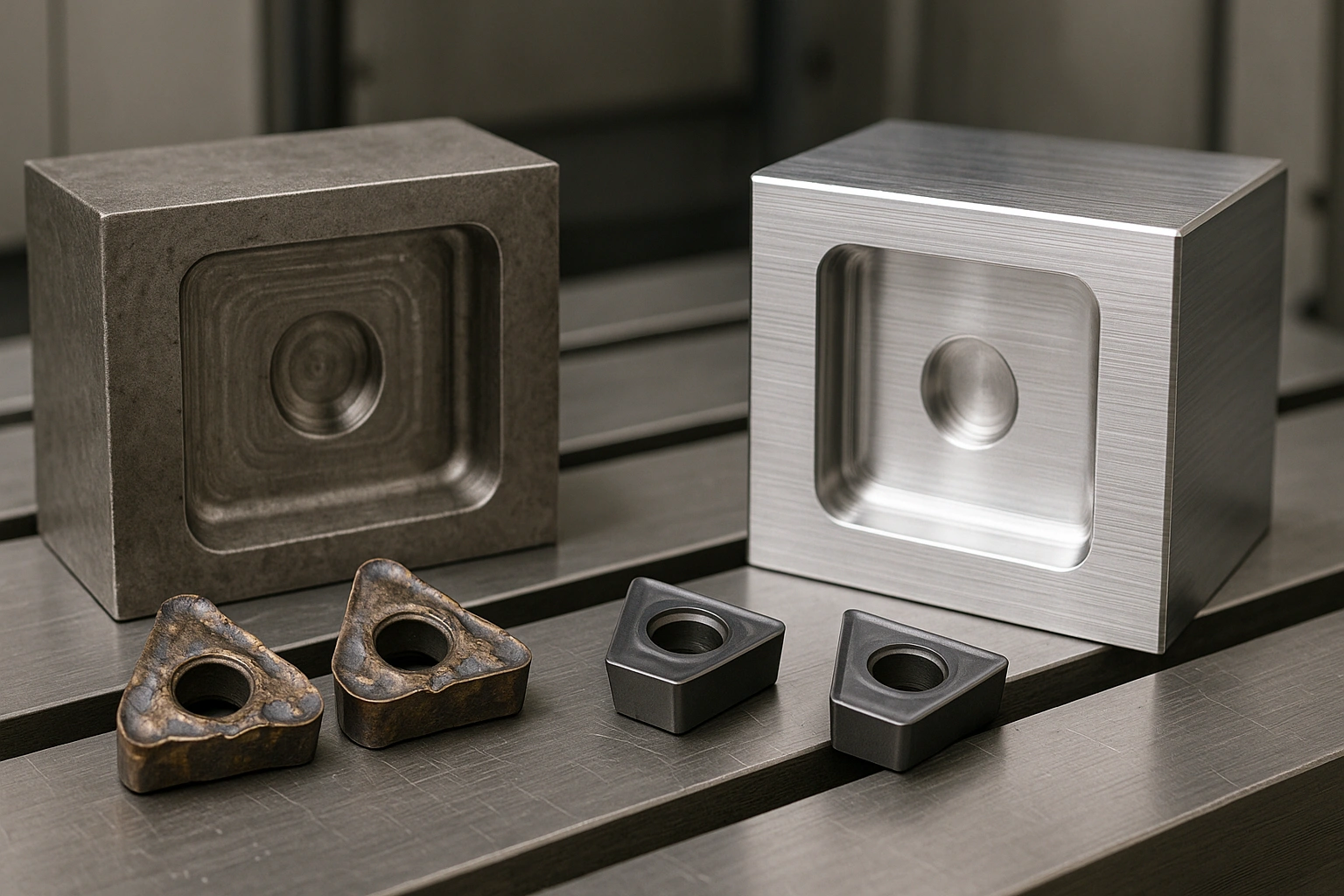
تبلغ الموصلية الحرارية للتيتانيوم حوالي عُشر الموصلية الحرارية للألمنيوم. لا تتبدد الحرارة بعيدًا عن منطقة القطع أثناء التشغيل الآلي؛ وبدلاً من ذلك، فإنه يركز على واجهة عمل الأداة. يتطلب هذا السلوك سرعات قطع أبطأ وتطبيقًا قويًا لسائل التبريد وأدوات كربيد يمكنها التعامل مع الحرارة المستمرة. تكتشف الفرق التي اعتادت تشغيل الألمنيوم على مصانع CNC الخاصة بها بسرعة أن نفس الخلاصات والسرعات ستدمر الأدوات أو تنتج ثرثرة على التيتانيوم.
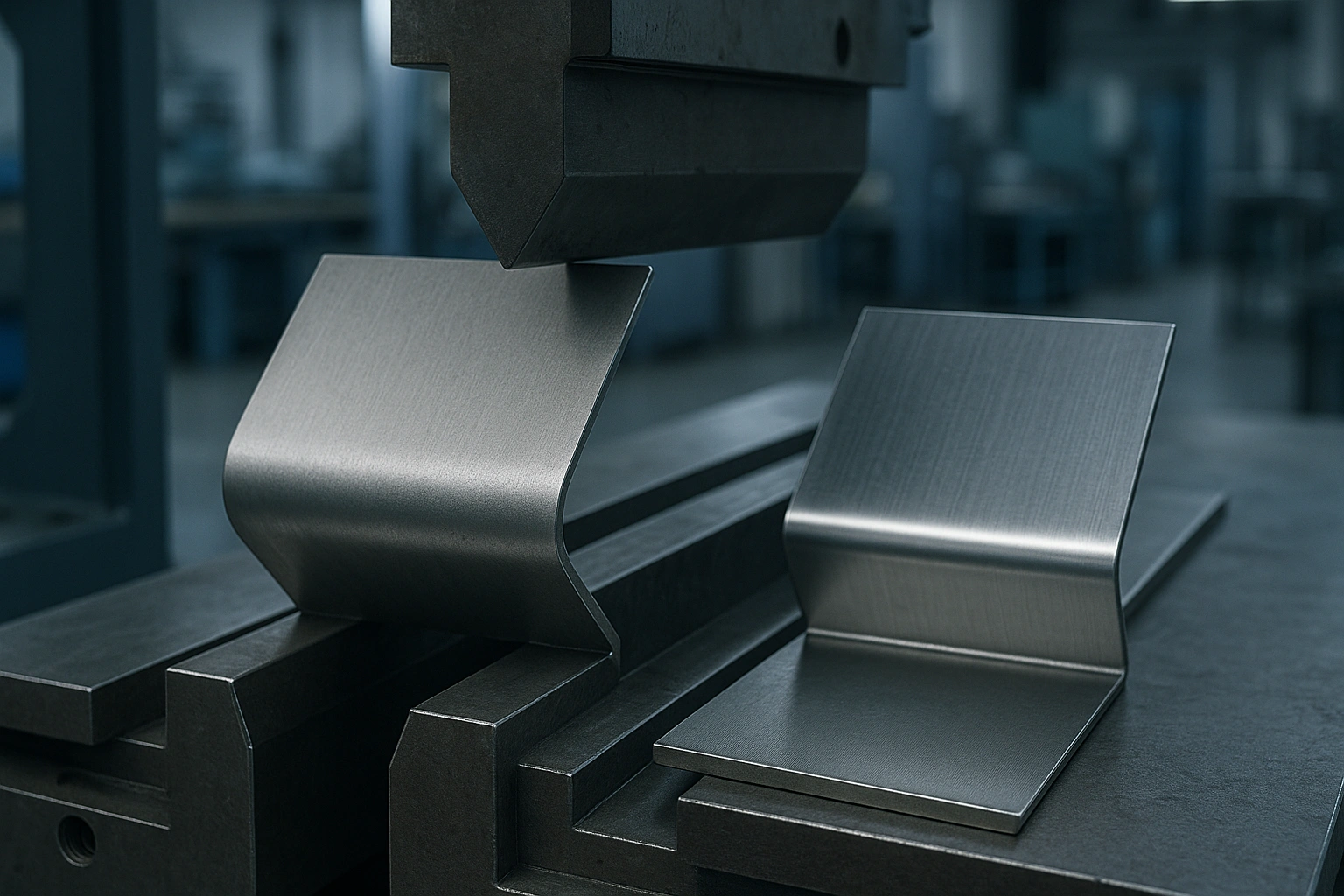
يقدم التشكيل منحنى تعليمي مختلف. يتمتع التيتانيوم من الدرجة 5 - وهو السبيكة التي تستخدمها معظم العلامات التجارية الخارجية لنسبة القوة إلى الوزن - بقابلية تشكيل محدودة للتمدد ونابض خلفي كبير. حيث يمكنك ثني الفولاذ المقاوم للصدأ 304 حول نصف قطر سمك 2 × بدون مشكلة، فإن الدرجة 5 تتطلب سمكًا لا يقل عن 4.5 × إلى 5 × لتجنب التشقق. تتطلب المناطق الملحومة أنصاف أقطار أكبر. يجب أن تأخذ تصميمات الأدوات الخاصة بك في الاعتبار تعويض الزنبرك الخلفي، مما يعني المزيد من التجربة والخطأ عما اعتدت عليه مع المعادن الأخرى.
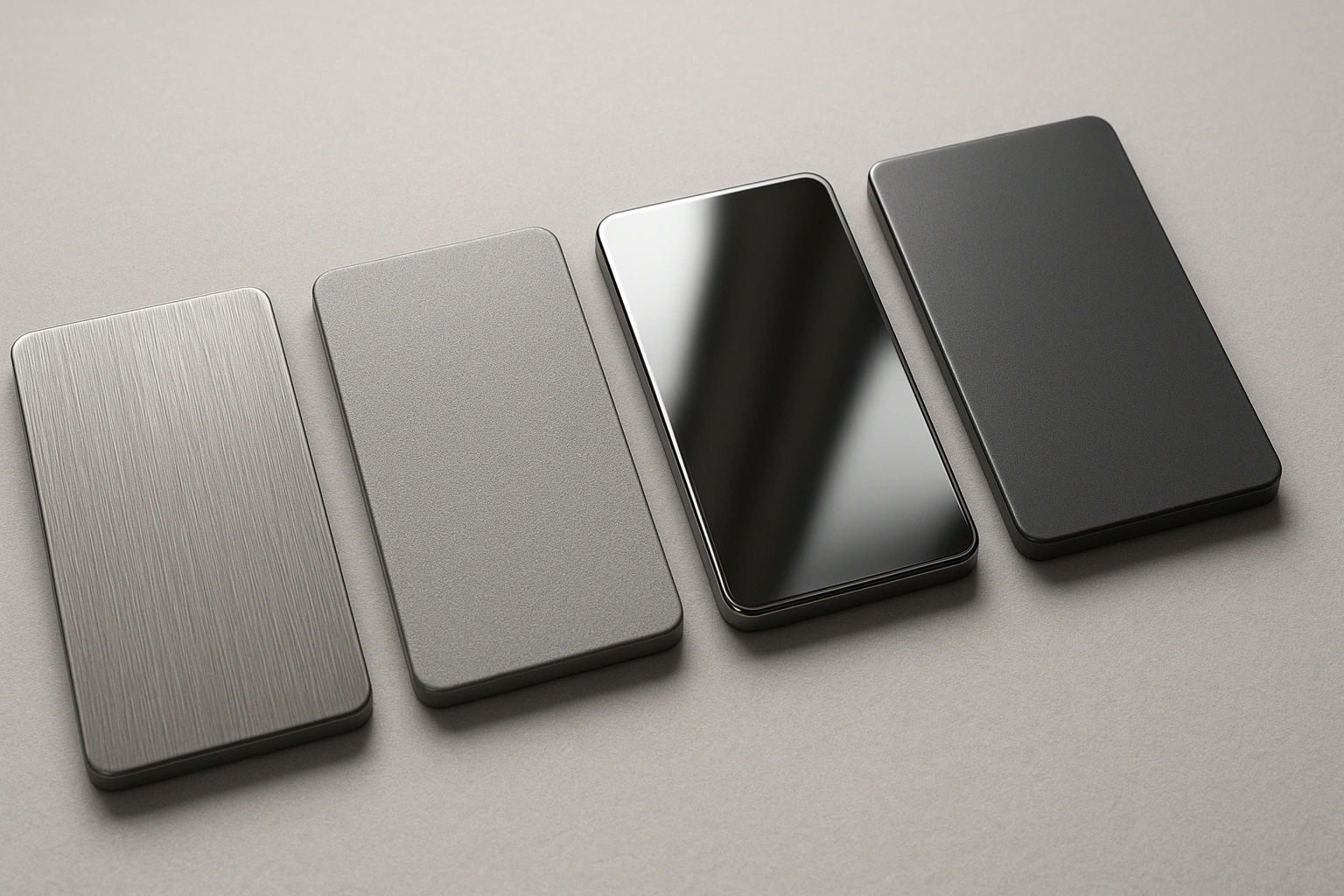
التشطيب السطحي يحمل مفاجآته الخاصة. يتطلب التيتانيوم المنفوخ بالخرز للحصول على لمسة نهائية غير لامعة متسقة تحكمًا أكثر صرامة في العملية مقارنة بنوع الوسائط غير القابل للصدأ، وحجم الحبيبات، والضغط، ووقت الانفجار، كلها تؤثر على النتيجة بشكل أكبر. تعتمد عملية أنودة اللون (اختيار جمالي شائع لمنتجات التيتانيوم الاستهلاكية) على التحكم الدقيق في الجهد للوصول إلى سماكات معينة من الأكسيد. تنتج الاختلافات الصغيرة ألوانًا مختلفة بشكل ملحوظ عبر دفعة الإنتاج. العلامات التجارية التي تفترض أن "التيتانيوم المصقول" أو "الأزرق المؤكسد" ستبدو بنفس الشكل من أي مورد غالبًا ما تجد نفسها تدير مشكلات الاتساق الجمالي بعد ستة أشهر من الإنتاج.
إن الاختلافات في السلوك المادي ليست مستعصية على الحل، ولكنها تتطلب معرفة عملية قبل الالتزام بالتصنيع. تمنح مجموعة العينات مهندسيك الفرصة لثني المواد الفعلية وتصنيعها وإنهائها بدلاً من اكتشاف هذه الخصائص أثناء تشغيل الإنتاج الأول.
الشكل 2: تؤثر اختلافات التشطيب السطحي على التيتانيوم بشكل كبير على كل من الجماليات واتساق الإنتاج. من اليسار: تشطيبات مصقولة ومصقولة ومؤكسدة. ويتطلب كل منها معلمات عملية وقدرات مختلفة للموردين، وهي الاختلافات التي تصبح واضحة من خلال التقييم العملي للعينات ولكن من المستحيل تقييمها من خلال أوراق المواصفات وحدها.
ماذا يوجد في مجموعة العينات الشاملة
يجب أن تتضمن مجموعة عينات التيتانيوم جيدة التنظيم لتطوير المنتجات الخارجية عينات مادية تسمح لفريقك بتقييم خصائص المواد والعمليات الأكثر أهمية لإنتاجك. إليك ما يجب أن تطلبه:
عينات من الصفائح والألواح من الدرجة الخامسة (Ti-6Al-4V) بسماكات متعددة. تهيمن هذه السبيكة على السلع الصلبة الخارجية - مثل أوتاد الخيام، وأدوات الطهي، ومكونات الدراجة، والأدوات المتعددة - لأنها توفر أفضل توازن بين القوة، والوزن، وقابلية التشكيل، والتكلفة. اطلب كوبونات في نطاق السُمك الذي ستستخدمه منتجاتك، عادةً من 0.5 مم إلى 3 مم للمعدات الخفيفة، والمقاييس الأثقل للمكونات الهيكلية. تتيح عينات الأوراق لمهندسيك إجراء اختبارات الانحناء عند نصف القطر المستهدف وتقييم الزنبرك الخلفي قبل الالتزام بتصميمات الأدوات.
مقاطع الشريط الدائري إذا كنت تقوم بتطوير مكونات مدارة أو مُشكَّلة. يتصرف مخزون القضبان بشكل مختلف عن الألواح أثناء المعالجة، وسوف ترغب الشركة المصنعة للعقد الخاص بك في تجربة الخلاصات والسرعات وهندسة الأدوات على المواد الفعلية قبل عرض أسعار الإنتاج. حتى الأطوال القصيرة (50-100 ملم) تكفي للتجارب الأولية.
كوبونات تشطيب السطح توضح علاجاتك المستهدفة. على الأقل، اطلب لونًا مصقولًا بالخرز/الساتان ومصقولًا ولونين مؤكسدين على الأقل إذا كنت تفكر في تشطيبات الألوان لجذب المستهلك. يجب أن تكون كل عينة نهائية كبيرة بما يكفي (حوالي 50 مم × 50 مم كحد أدنى) حتى يتمكن فريق التصميم الخاص بك من تقييم الصفات الجمالية واللمسية. بشكل حاسم، اطلب عينات حدودية أو صورًا مرجعية عالية الدقة توثق الوسائط الدقيقة والحبيبات والضغط ومعلمات الانفجار المستخدمة. وتصبح هذه مرجعًا للمواصفات عند طلب دفعات الإنتاج، مما يمنع المشكلة الشائعة المتمثلة في اختلاف التشطيب بين الموافقة على العينة والتصنيع المتناسب.
شهادات المواد والوثائق لكل عينة. سيقدم الموردون الشرعيون شهادات تشير إلى مواصفات ASTM أو AMS الدقيقة لكل نموذج منتج - عادةً ASTM B265 أو AMS 4911 للصفائح/الألواح، أو ASTM B348 أو AMS 4928 للشريط. يجب أن تشير الشهادة إلى مسار الذوبان (يعد الذوبان بالفراغ المزدوج معيارًا للمواد المستخدمة في مجال الطيران والفضاء) وتفاصيل الامتثال مثل DFARS إذا كان ذلك مناسبًا. تتيح لك هذه الوثائق التحقق من أصل المادة وتمنح فريق الجودة الخاص بك إمكانية التتبع التي سيحتاجها لقطع الإنتاج.
قم بمقارنة العينات من موردين متعددين إذا كنت تقوم بتقييم البائعين. اطلب مواصفات متطابقة من اثنين أو ثلاثة من الموردين وقم بإجراء تقييمات متوازية. ستلاحظ بسرعة الاختلافات في اتساق الأبعاد وجودة تشطيب السطح واكتمال التوثيق واستجابة المهلة الزمنية. يصعب اكتشاف هذه الاختلافات من خلال مكالمات المبيعات وعروض الأسعار، ولكنها تصبح واضحة عندما تحتفظ بالعينات المادية جنبًا إلى جنب.
عادةً ما تتراوح التكلفة الإجمالية لمجموعة شاملة من مورد حسن السمعة ما بين 300 إلى 800 دولار اعتمادًا على عدد خيارات التشطيب وتغيرات السُمك التي تطلبها. المهلة عادة ما تكون من أسبوع إلى ثلاثة أسابيع. نظرًا لأن مراجعة واحدة لأدوات الإنتاج يمكن أن تكلف ما بين 5000 إلى 20000 دولار أمريكي وتؤخر الإطلاق لعدة أشهر، فإن مجموعة العينات تمثل خطأ تقريبيًا في ميزانية التطوير الخاصة بك.
الشكل 1: تشتمل مجموعة عينات التيتانيوم الشاملة على عينات من الصفائح بسماكات متعددة، وكوبونات تشطيب السطح (ألوان مصقولة ومصقولة ومؤكسدة)، وقطاعات شريطية لتجارب التشغيل الآلي، وشهادات المواد الكاملة. يسمح هذا العرض التقديمي المنظم للفرق متعددة الوظائف بتقييم خصائص المواد والخيارات الجمالية وجودة المورد قبل الالتزام بأوامر الإنتاج.
كيف تستخدم الفرق العينات للمواءمة واتخاذ القرار
إحدى فوائد مجموعة العينات التي لا تحظى بالتقدير الكافي هي كيفية تسريع التوافق الداخلي بين الوظائف التي تعمل عادةً بأولويات ومفردات مختلفة. المنتج يريد الأداء. التصميم يريد الجماليات. الهندسة تريد قابلية التصنيع. المشتريات تريد التحكم في التكاليف. بدون مرجع فعلي مشترك، تظل هذه المحادثات مجردة وتنشئ حلقات تكرار في وقت متأخر من التطوير.
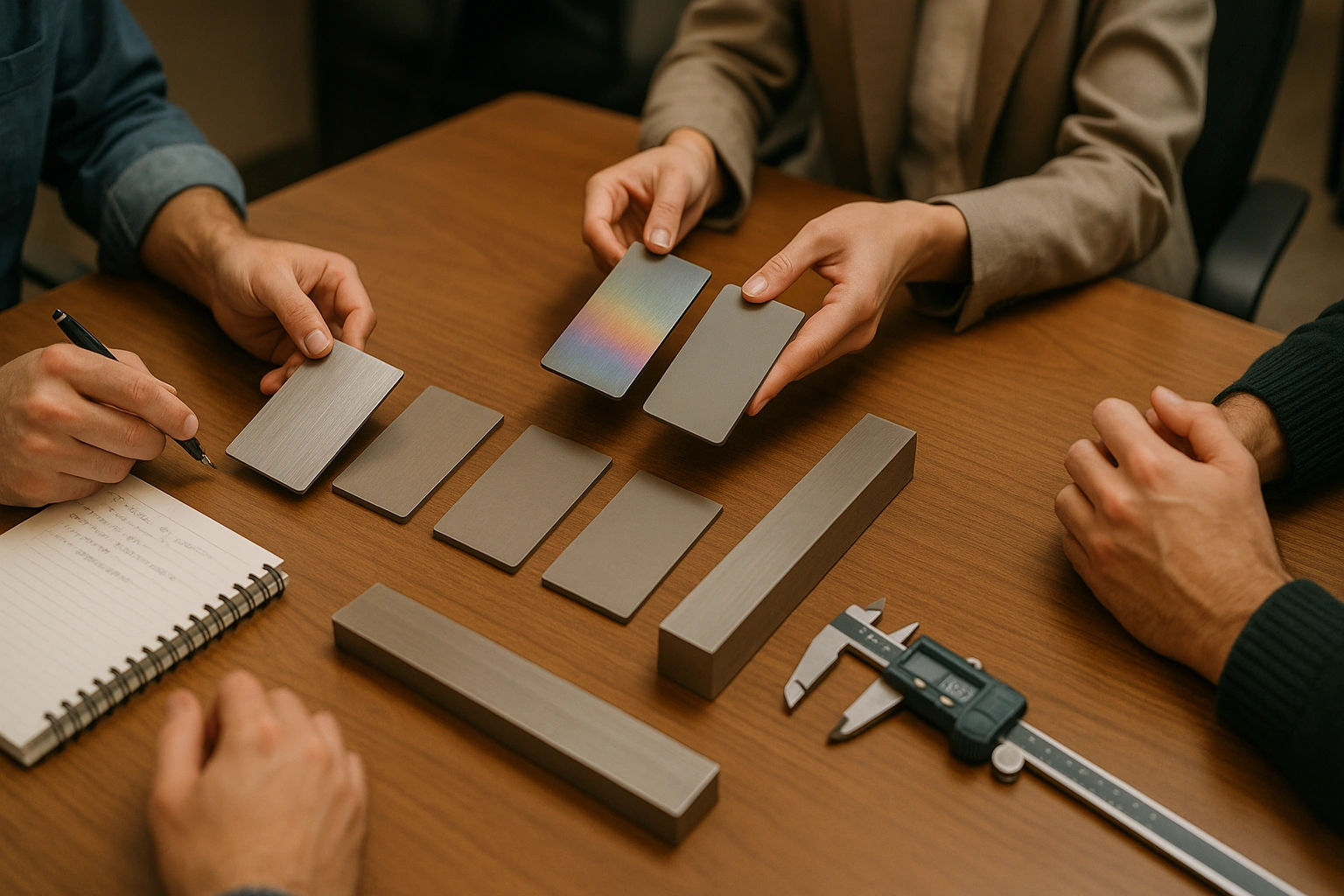
عند وصول العينات، يمكن لمدير المنتج الخاص بك أن يحمل قسيمة ورقة من الدرجة 5 مقاس 1.5 مم ويشعر على الفور بفرق الوزن مقابل بديل الفولاذ. يمكن للمصمم الخاص بك أن يصطف ثلاث عينات من التشطيبات النهائية تحت إضاءة مختلفة ومعرفة الملمس الذي يتوافق مع الموضع المتميز لعلامتك التجارية. يمكن للمهندس الخاص بك إجراء اختبار الانحناء السريع في دائرة نصف قطرها 4 × والتأكد مما إذا كان تصميم وتد الخيمة الخاص بك يحتاج إلى مراجعات هندسية قبل الأدوات. يمكن لقائد المشتريات الخاص بك مقارنة اتساق الأبعاد وجودة الوثائق عبر ثلاثة موردين وتضييق القائمة المختصرة للموردين بناءً على الاختلافات الملحوظة بدلاً من عروض المبيعات.
هذه التقييمات تحدث في أيام وليس أشهر. بدلاً من انتظار إنشاء نموذج أولي كامل لاكتشاف أن اللمسة النهائية المحددة لا تتوافق مع غرض التصميم الخاص بك، أو أن مقياس المادة يخلق تحديات تشكيل، يمكنك حل هذه الأسئلة أثناء اجتماع مراجعة العينة. الفرق التي تتخطى هذه الخطوة ينتهي بها الأمر إلى اتخاذ نفس القرارات لاحقًا، ولكن بعد الالتزام بالأدوات، وتقديم أوامر الشراء، وتحديد الجداول الزمنية للإطلاق، لا يمكن تغييرها بسهولة.
تعمل العينات المادية أيضًا كأدوات محاذاة للشركاء الخارجيين. أرسل قسائم التشطيب إلى الشركة المصنعة للعقد الخاص بك مع وثائق نموذجية واضحة للحدود، ويمكنهم الاتصال بعملية التفجير الخاصة بهم قبل دفعة الإنتاج الأولى الخاصة بك. قم بمشاركة شهادات المواد مع فريق الجودة الخاص بك مبكرًا، ويمكنهم إنشاء بروتوكولات فحص حول المواصفات الصحيحة بدلاً من التدافع لتفسير الوثائق بعد وصول الأجزاء. امنح فريق التسويق الخاص بك عينات مؤكسدة لتصويرها عند إطلاق المنتجات، وسوف تتطابق صور العلامة التجارية مع ما يتلقاه العملاء بالفعل.
لقد رأيت فرقًا متعددة الوظائف تقلل دورة التطوير الخاصة بها بمقدار ثمانية إلى اثني عشر أسبوعًا ببساطة عن طريق تقييم المواد في المقدمة. الوقت الذي يتم توفيره لا يأتي من العمل بشكل أسرع، بل من التخلص من إعادة العمل، وسوء التواصل، ومفاجآت المرحلة المتأخرة التي تتوالى في تأخير الجدول الزمني وتجاوز الميزانية.
الشكل 3: تستخدم الفرق متعددة الوظائف عينات مادية للتوافق مع اختيار المواد ومواصفات التشطيب وقدرات الموردين. تعمل مجموعات العينات على تمكين المنتج والتصميم والهندسة والمشتريات من اتخاذ قرارات مستنيرة بشكل تعاوني - مما يقلل دورات التكرار ويمنع المراجعات المكلفة في المرحلة المتأخرة أثناء التصنيع الموسع.
ما الذي تكشفه جودة العينة عن قدرة الموردين؟
العينات التي تتلقاها ليست مجرد أدوات لتقييم المواد، بل هي أيضًا اختبار ضغط منخفض المخاطر لقدرات المورد المحتمل وعملياته وموثوقيته. غالبًا ما تتنبأ الطريقة التي يتعامل بها المورد مع طلب العينة بكيفية تعامله مع أوامر الإنتاج الخاصة بك.
اتساق الأبعاد مهم. إذا طلبت ثلاث قسائم ورقية بسمك 1.5 مم ووصلت بقياسات 1.48 مم و1.52 مم و1.50 مم، فهذا هو التسامح الطبيعي للطاحونة. إذا كان قياس المرء 1.62 ملم، فهذا يشير إلى ضعف التحكم في المخزون أو ضعف تتبع الدفعة. وينطبق الشيء نفسه على الانتهاء من السطح. يجب أن تبدو ثلاث قسائم خرزية متطابقة تقريبًا في ظل الإضاءة المتسقة. يشير التباين الملحوظ في الملمس أو اللون إلى عدم تناسق العملية الذي سيظهر في دفعات الإنتاج الخاصة بك.
اكتمال التوثيق هو نظام إنذار مبكر. يقوم المورد القادر بشحن عينات مع شهادات المواد التي تربط كل قطعة بمواصفاتها الدقيقة (ASTM B265 Grade 5، AMS 4911، وما إلى ذلك)، ولاحظ مسار الذوبان، وقم بتضمين علامات الامتثال مثل DFARS إذا كان ذلك مناسبًا. تشير الوثائق المفقودة أو العامة أو الغامضة إلى أن المورد لا يحتفظ بأنظمة التتبع التي ستحتاجها لعمليات تدقيق الجودة أو الامتثال التنظيمي. إذا لم يتمكنوا من تقديم الشهادات المناسبة لطلب عينة بقيمة 400 دولار، فلن يتمكنوا من تطوير هذه الأنظمة بطريقة سحرية عندما تقدم طلب إنتاج بقيمة 40.000 دولار.
تخبرك الاستجابة للمهلة الزمنية بكيفية إدارة المورد للالتزامات. إذا اقتبسوا أسبوعين وتم تسليمهم خلال عشرة أيام مع التواصل الاستباقي، فهذه إشارة إيجابية. إذا وصلت العينات متأخرة لمدة خمسة أسابيع دون أي تفسير، فتوقع نفس النمط أثناء الإنتاج - وتذكر أن تأخيرات الإنتاج تتسلسل في الجدول الزمني للإطلاق بالكامل.
إن الاتصالات الفنية للمورد أثناء عملية العينة تكشف بنفس القدر. هل يطرحون أسئلة توضيحية حول التطبيق المقصود ويوصون بنطاقات السُمك المناسبة أو خيارات الإنهاء بناءً على فئة منتجك؟ أم أنهم يقومون ببساطة بمعالجة الطلب من خلال المعاملات دون تقديم الخبرة؟ سوف يدرك الموردون الذين يفهمون تطبيقات المعدات الخارجية أن حصص الخيام تحتاج إلى خصائص مادية مختلفة عن أدوات الطهي، وسوف يقومون بالإبلاغ بشكل استباقي عن المشكلات المحتملة. هذا المستوى من المعرفة التطبيقية يقلل من المخاطر التي تتعرض لها أثناء التصنيع على نطاق واسع.
إذا كنت تقوم بتقييم عدة موردين بالتوازي، تصبح هذه الاختلافات واضحة بشكل صارخ. يقوم أحد الموردين بشحن العينات مع الشهادات الكاملة وصور العينات الحدودية خلال اثني عشر يومًا. يتم أخذ عينات من السفن الأخرى متأخرة لمدة ثلاثة أسابيع مع وثائق غير كاملة وتباين ملحوظ في النهاية. قد يكون التسعير مماثلا، ولكن ملامح المخاطر التشغيلية مختلفة تماما. تتيح لك عملية التقييم النموذجية ملاحظة تلك الاختلافات قبل أن تكون مقيدًا بعلاقة البائع.
البدء باستخدام مجموعة العينات الخاصة بك
إذا كان فريقك يدخل في مجال التيتانيوم أو يقوم بتقييم الموردين الجدد، فابدأ بطلب عينة مستهدفة تغطي احتياجات التطوير الفورية الخاصة بك دون المبالغة في تعقيد التقييم الأولي.
اطلب عينات من الألواح من الدرجة 5 (Ti-6Al-4V) في نطاق السُمك الذي ستستخدمه منتجاتك - عادةً من 0.5 مم إلى 2.5 مم للمعدات الخارجية خفيفة الوزن، وأجهزة القياس الأثقل للمكونات الهيكلية. اطلب ثلاثة خيارات للتشطيب على الأقل: مصقول بالخرز/الساتان، ومصقول، وواحد أو اثنين من الألوان المؤكسدة إذا كانت الجماليات مهمة لفئة منتجك. حدد أنك تحتاج إلى شهادات المواد (ASTM B265 أو AMS 4911) ووثائق عينة الحدود للتشطيبات. إذا كنت تقوم بتطوير مكونات مُشكَّلة آليًا، فأضف عينات من مخزون القضبان بالأقطار ذات الصلة.
اطلب من اثنين أو ثلاثة من الموردين بالتوازي إذا كنت تتسوق من البائعين. سيكشف التقييم المقارن عن الاختلافات في الجودة والوثائق والاستجابة والدعم الفني التي لا تكون واضحة من محادثات المبيعات الأولية. ميزانية تتراوح من 300 إلى 800 دولار لكل مورد اعتمادًا على تنوع العينة.
عند وصول العينات، قم بتنظيم جلسة مراجعة متعددة الوظائف خلال الأسبوع الأول. اطلب من العملاء المحتملين للمنتج والتصميم والهندسة والمشتريات تقييم العينات جنبًا إلى جنب مع معايير واضحة: دقة الأبعاد، واتساق التشطيب، واكتمال الوثائق، ومدى توافق المادة مع متطلبات منتجك. قم بإجراء تجارب تشكيل أو تصنيع سريعة إذا كان لدى فريقك القدرة، فحتى الاختبارات الأولية تنتج بيانات مفيدة حول الزنبرك الخلفي وتآكل الأدوات.
قم بتوثيق النتائج التي توصلت إليها بالصور والقياسات والملاحظات المرتبطة بكل مورد ونوع العينة. تصبح هذه السجلات مرجعًا لك لمواصفات الإنتاج وقرارات اختيار الموردين. قم بمشاركة الكوبونات والشهادات النهائية مع الشركة المصنعة للعقد مبكرًا حتى يتمكنوا من تخطيط معلمات العملية وبروتوكولات الفحص.
تتعامل العلامات التجارية التي تتنقل في تطوير التيتانيوم بكفاءة أكبر مع مجموعة العينات كخطوة أولى مطلوبة، وليست اختيارية. يمنع هذا الاجتهاد المسبق المفاجآت الباهظة الثمن والمستهلكة للوقت والتي تعرقل إطلاق المنتجات وتضعف ثقة الفريق. مقابل بضع مئات من الدولارات وبضعة أسابيع، يمكنك اكتساب المعرفة العملية التي لا يمكن أن توفرها أوراق المواصفات والعروض التقديمية للموردين.